Why Polyethylene Pipes Are the Best Choice for Agricultural Irrigation in Shenzhen


Introduction to Polyethylene Pipes
In the rapidly developing region of Shenzhen, agriculture remains a vital part of the local economy. As a hub for technological innovation, Shenzhen's farmers are continuously seeking efficient solutions to improve productivity. One such innovation is the use of polyethylene pipes in agricultural irrigation systems. These pipes offer a range of benefits that make them the best choice for modern farming practices.
Durability and Longevity
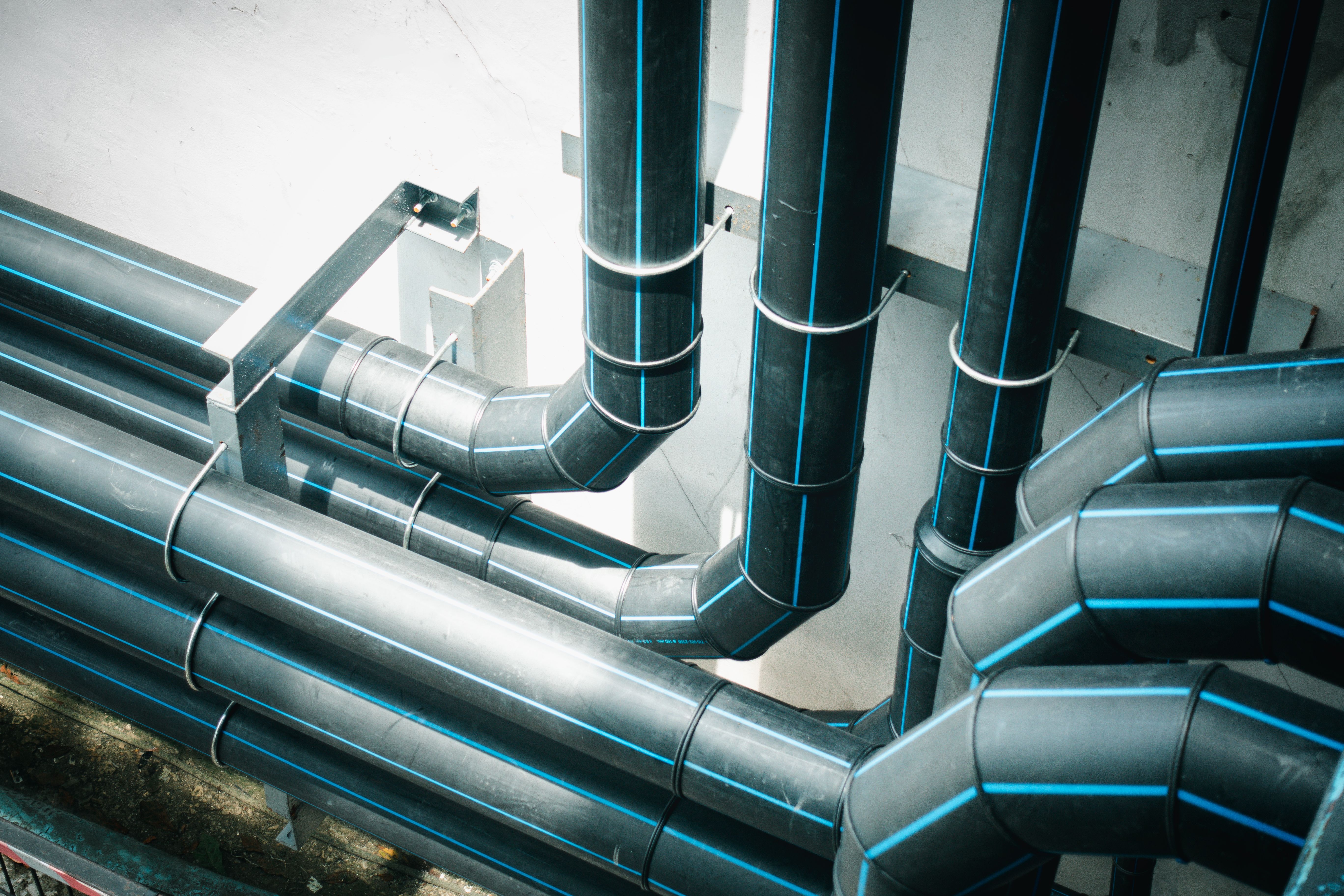
One of the primary advantages of polyethylene pipes is their exceptional durability. Made from high-density polyethylene (HDPE), these pipes are designed to withstand the harsh conditions of agricultural environments. They are resistant to corrosion, chemicals, and UV radiation, ensuring a long lifespan. This durability means farmers in Shenzhen can rely on polyethylene pipes for many years, reducing the need for frequent replacements and maintenance.
Additionally, polyethylene pipes are highly flexible, which makes them less prone to cracking under pressure or due to ground movement. This flexibility is crucial in areas with varying soil conditions, providing a reliable solution for irrigation systems.
Cost-Effectiveness
Polyethylene pipes are also known for their cost-effectiveness. While the initial investment might be comparable to other materials, the long-term savings are significant. The reduced need for repairs and replacements lowers overall costs, making them an economically sound choice for farmers.
Moreover, the lightweight nature of polyethylene pipes makes them easy to transport and install, reducing labor costs and installation time. This efficiency is especially advantageous for large-scale agricultural operations common in Shenzhen.
Environmental Benefits
In addition to economic advantages, polyethylene pipes offer environmental benefits. Their resistance to corrosion means that fewer harmful chemicals leach into the soil and water supplies, promoting a healthier ecosystem. Furthermore, polyethylene is a recyclable material, aligning with Shenzhen's commitment to sustainable development and eco-friendly practices.
Using polyethylene pipes also contributes to water conservation. Their smooth interior surface reduces friction, allowing water to flow more efficiently and minimizing waste. This efficiency is crucial in regions where water resources are precious.
Versatility in Application
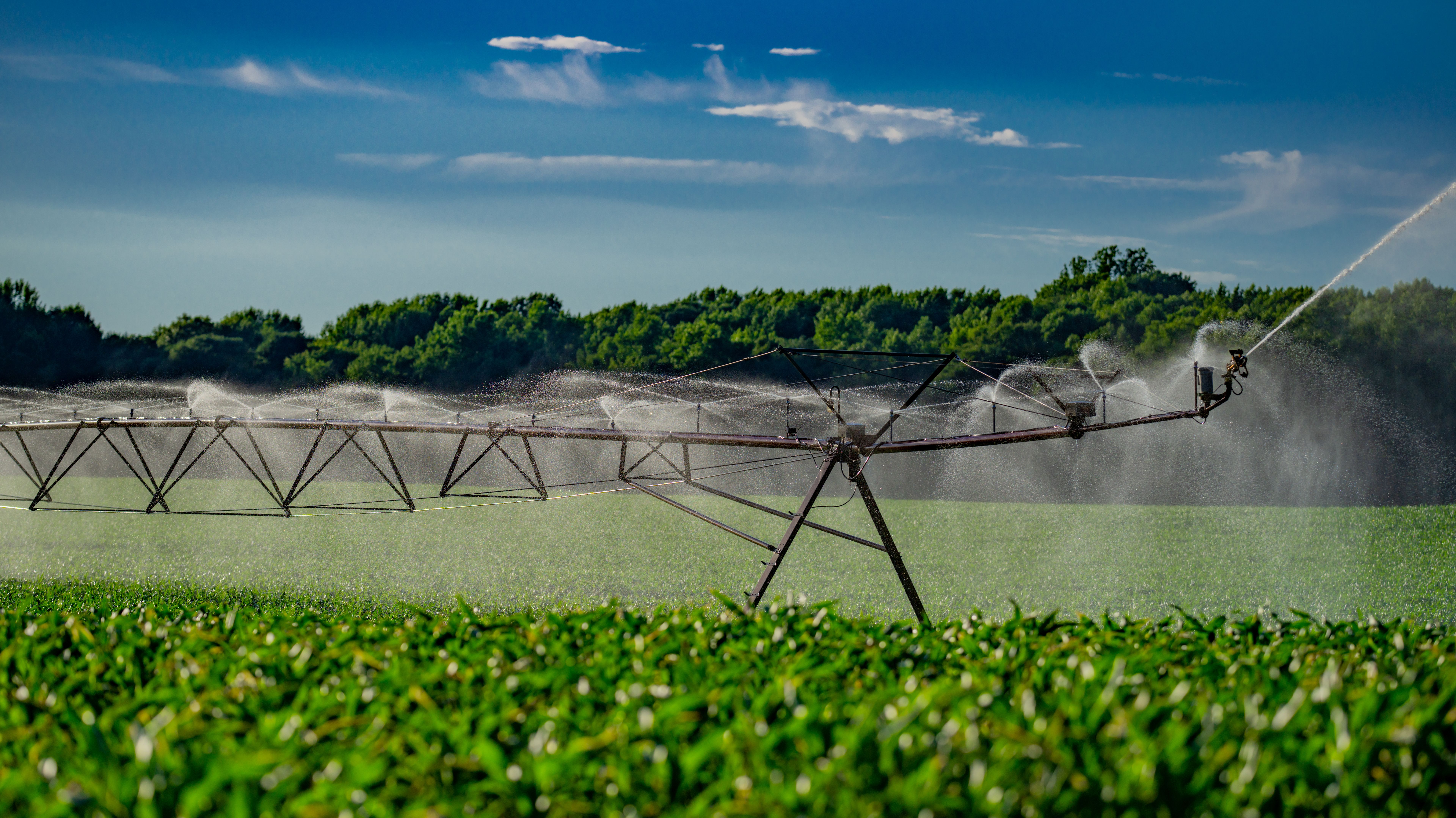
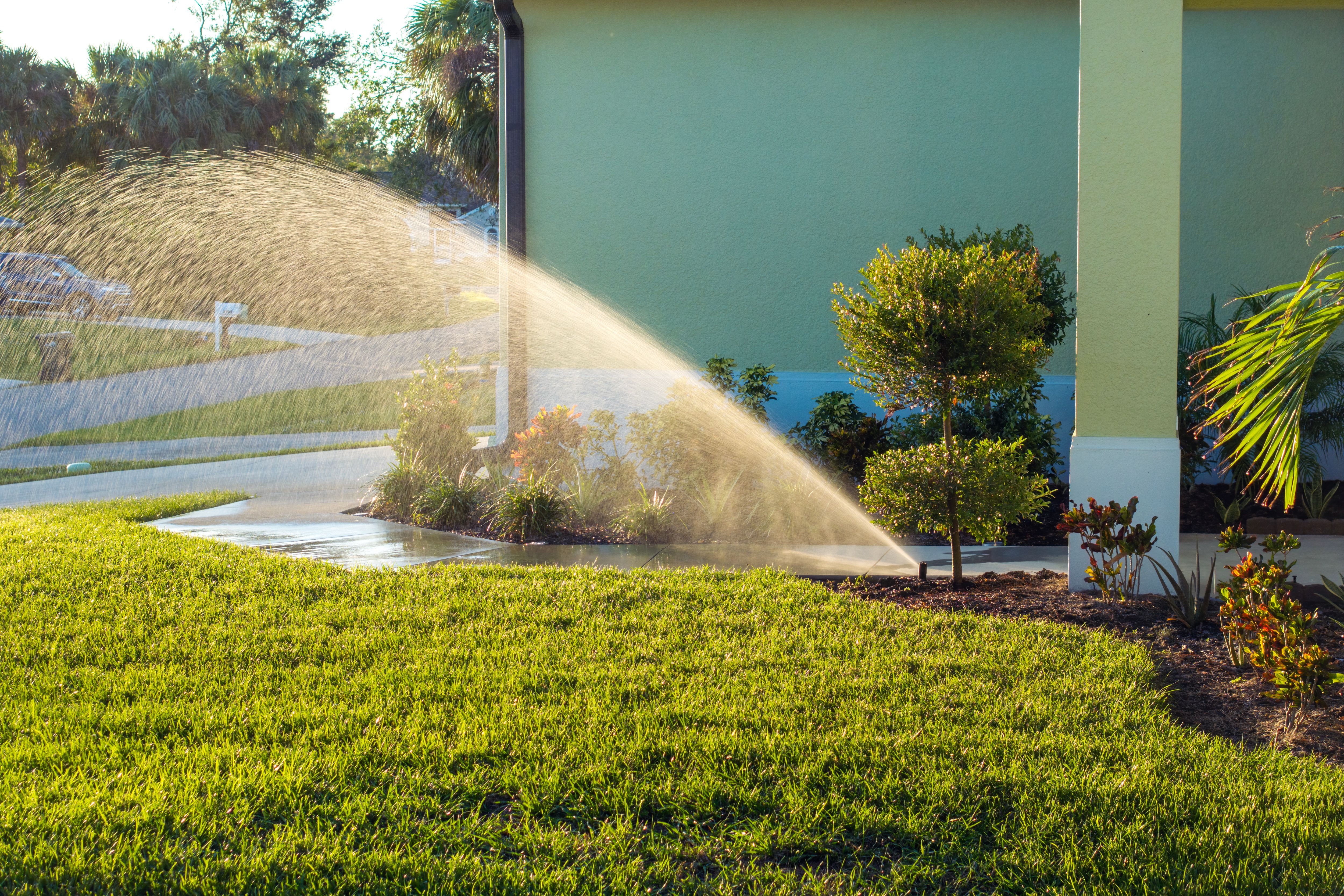
Another reason polyethylene pipes are favored in agricultural irrigation is their versatility. They can be used in various irrigation systems, including drip and sprinkler setups. This adaptability allows farmers to customize their irrigation systems to suit specific crop and soil needs, optimizing water usage and enhancing crop yields.
Conclusion
In summary, polyethylene pipes provide a durable, cost-effective, and environmentally friendly solution for agricultural irrigation in Shenzhen. Their versatility and adaptability make them an ideal choice for modern farming practices. By investing in polyethylene pipes, farmers can ensure a sustainable and productive future for their agricultural operations.