Understanding the Different Types of Plumbing Valves and Their Uses


Introduction to Plumbing Valves
Plumbing valves play a crucial role in managing the flow and pressure within a plumbing system. Whether you're a professional plumber or a DIY enthusiast, understanding the different types of plumbing valves and their specific applications is essential for effective maintenance and repair.
Gate Valves
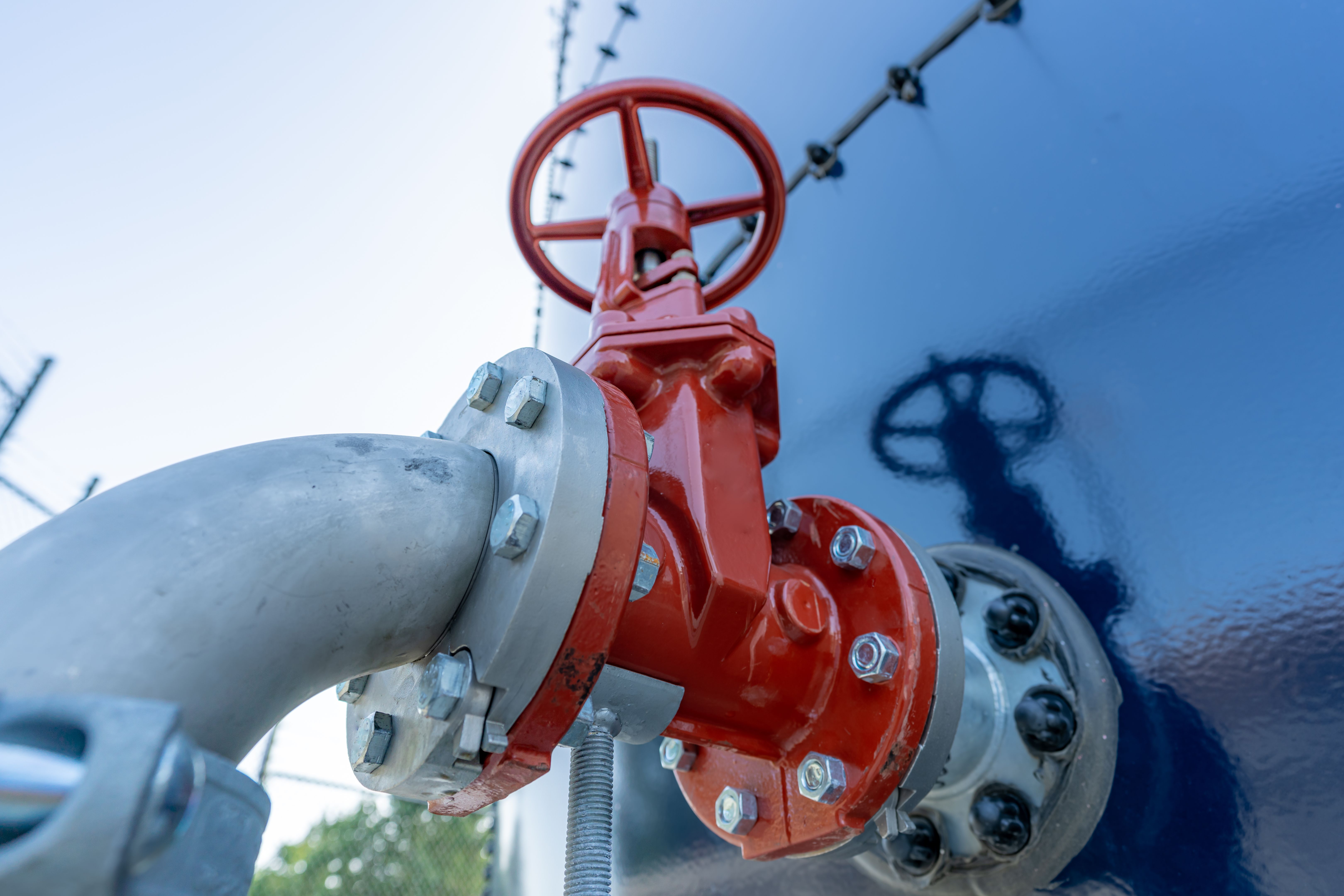
Gate valves are one of the most common types of plumbing valves. They operate by raising or lowering a gate inside the valve body to control the flow. These valves are typically used in applications where the flow needs to be either fully on or fully off, as they are not designed for flow regulation.
Uses of Gate Valves
Gate valves are ideal for applications involving:
- Water supply lines
- Fire mains
- Hydraulic systems
Ball Valves
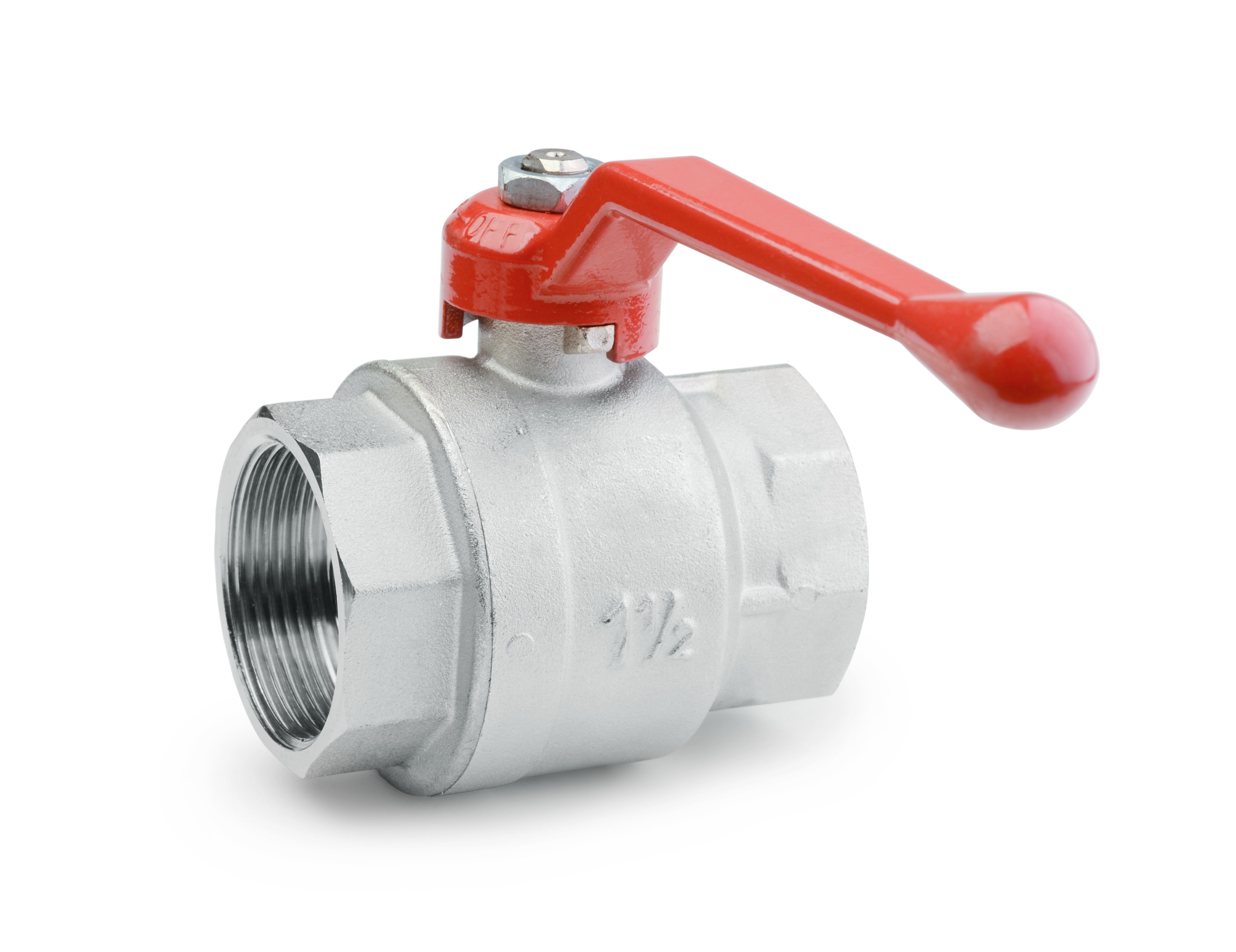
Ball valves are known for their durability and ease of operation. They feature a spherical disc that controls the flow through a hollow center. By rotating the ball, the flow can be turned on or off. These valves are popular in both residential and industrial settings.
Advantages of Ball Valves
Ball valves offer several advantages, including:
- Quick and easy operation
- Reliable sealing
- Long lifespan
Check Valves
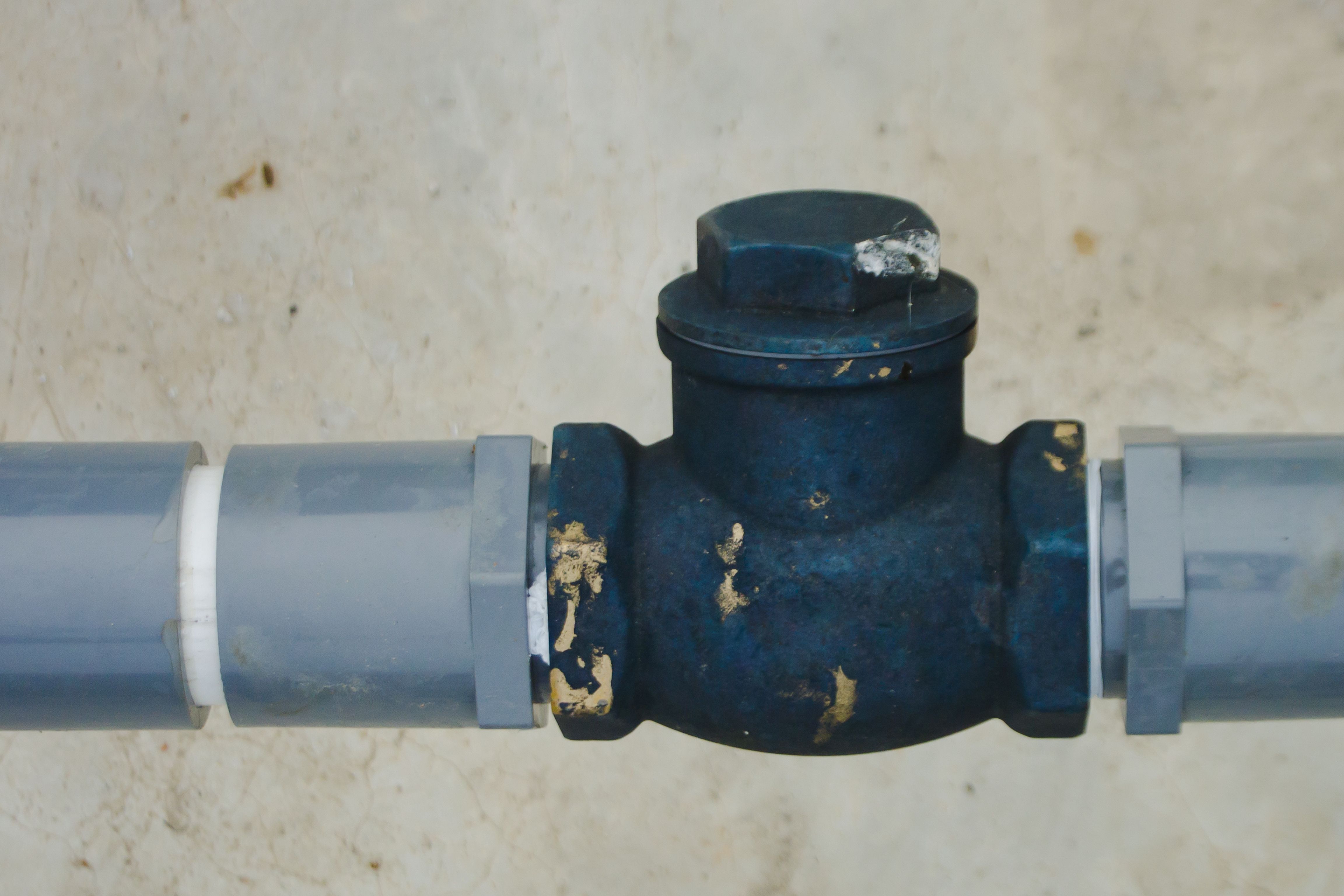
Check valves are designed to allow fluid to flow in one direction only. They prevent backflow and are critical in systems where reverse flow could cause damage or contamination. There are several types of check valves, including swing check and spring-loaded check valves.
Applications of Check Valves
Check valves are commonly used in:
- Pump discharge lines
- Water heaters
- Wastewater systems
Conclusion
Understanding the different types of plumbing valves and their uses is important for anyone involved in plumbing work. From gate valves to ball and check valves, each type serves a specific purpose and offers unique advantages. By choosing the right valve for your application, you can ensure the efficiency and safety of your plumbing system.