Understanding the Differences: PVC vs CPVC Pipes


Introduction to PVC and CPVC Pipes
When it comes to plumbing and piping, understanding the differences between PVC and CPVC pipes is crucial for making informed decisions. Both types of pipes are popular in various applications, but they serve different purposes and have unique properties. In this post, we will explore their differences, benefits, and ideal applications.
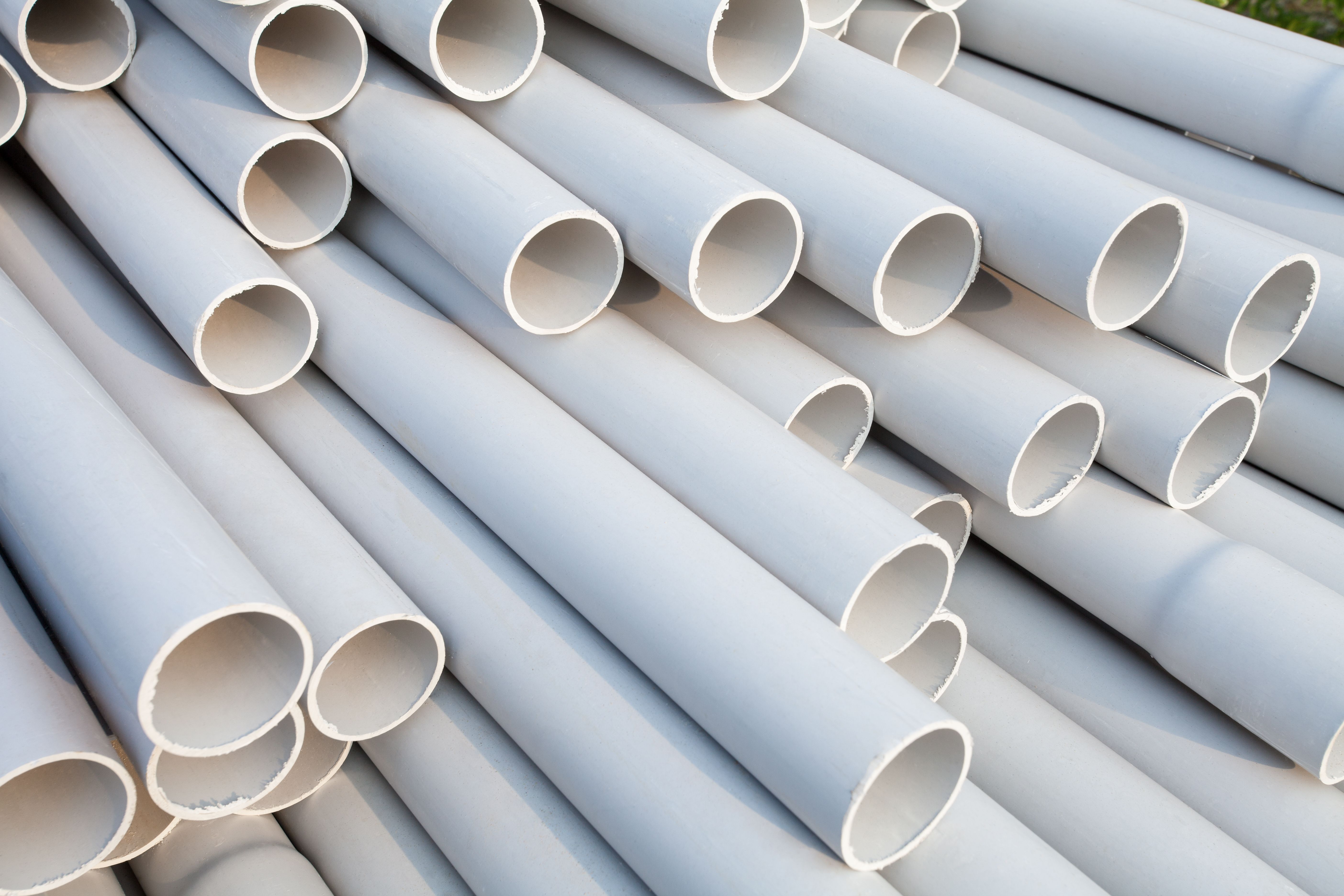
What is PVC?
Polyvinyl Chloride (PVC) is a widely used plastic material known for its durability, affordability, and versatility. Commonly used in residential and commercial settings, PVC pipes are suitable for a range of applications, including drainage, waste, and vent systems. They are lightweight, easy to install, and resistant to corrosion.
One of the most significant advantages of PVC is its cost-effectiveness. Due to its widespread availability and manufacturing efficiency, PVC pipes are often more affordable than other piping options. However, it's important to note that PVC has a limited temperature range and is not suitable for hot water applications.
Understanding CPVC
Chlorinated Polyvinyl Chloride (CPVC) is a thermoplastic material derived from PVC. The primary difference between CPVC and PVC is the chlorination process, which gives CPVC enhanced temperature resistance. This makes CPVC ideal for hot water applications, including residential hot water lines and industrial fluid handling.
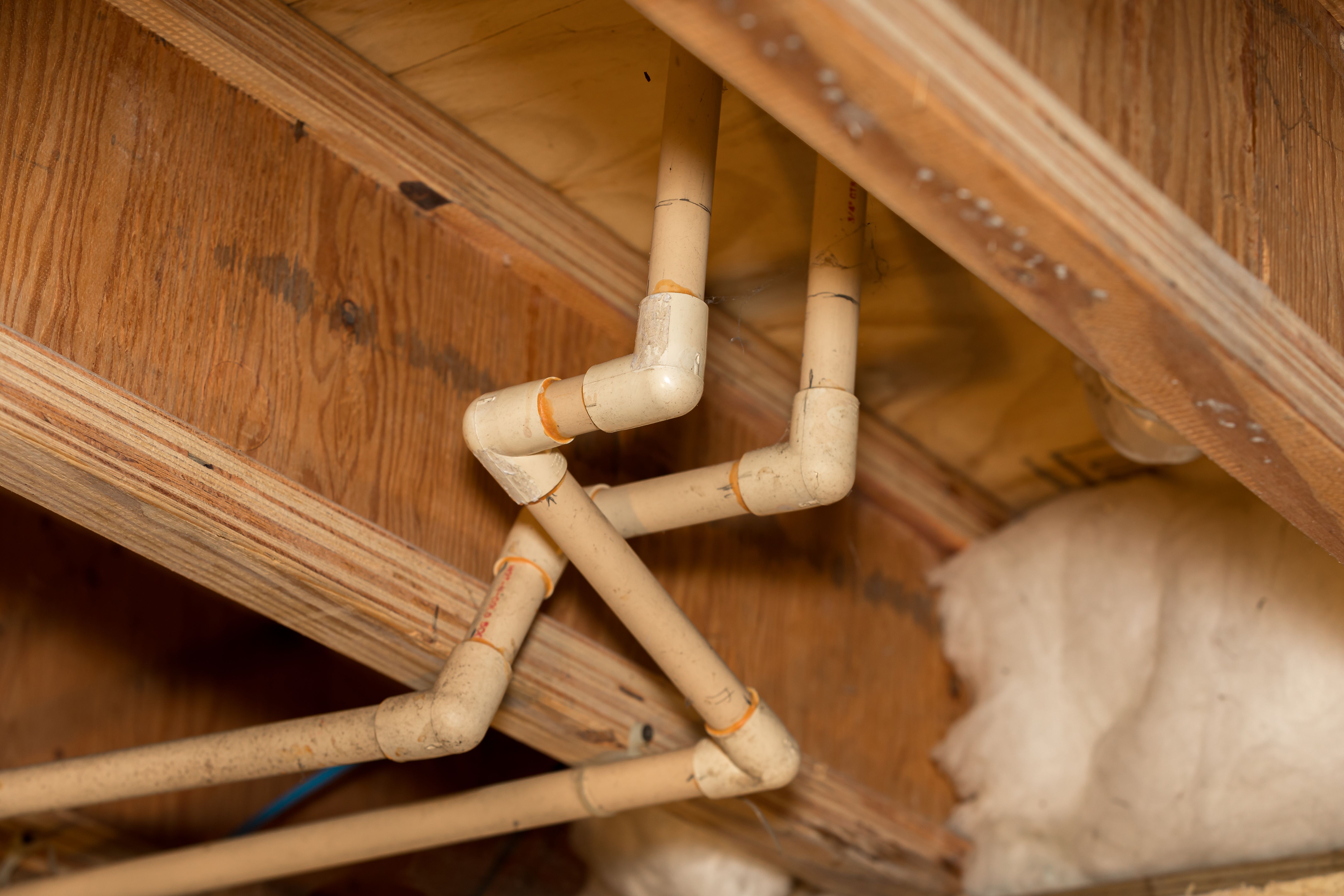
CPVC pipes are known for their excellent chemical resistance and long-term durability. They can handle higher temperatures than PVC, making them a preferred choice for hot water plumbing systems. Despite being slightly more expensive than PVC, CPVC offers benefits that justify the investment for certain applications.
Comparing PVC and CPVC
When choosing between PVC and CPVC, consider the following key differences:
- Temperature Resistance: CPVC can handle higher temperatures, making it suitable for hot water applications, while PVC is limited to cold water systems.
- Chemical Compatibility: Both materials offer good chemical resistance, but CPVC provides enhanced resistance to certain aggressive chemicals.
- Installation: Both PVC and CPVC are easy to install, but CPVC may require additional care due to its higher temperature applications.
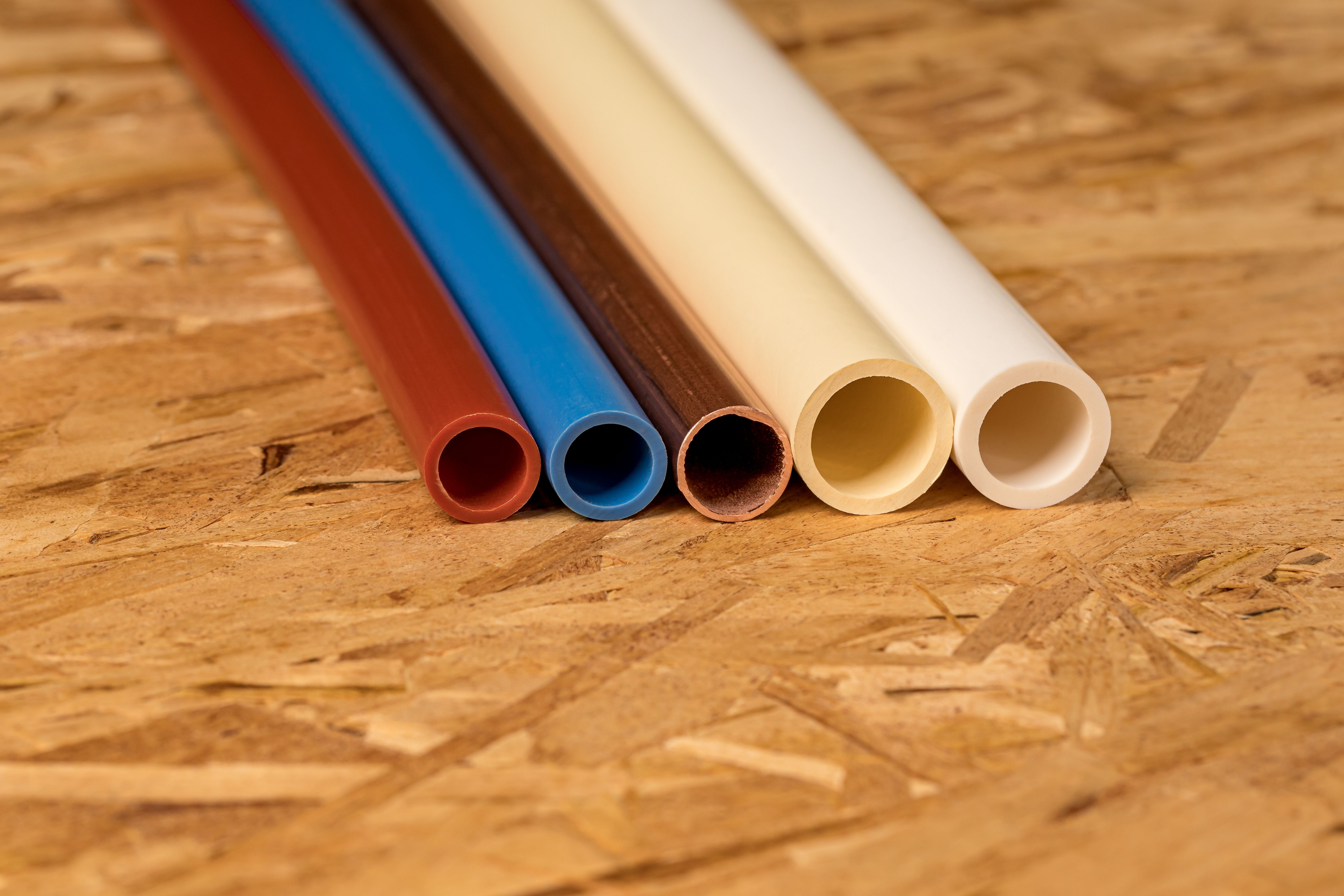
Choosing the Right Pipe for Your Needs
Deciding between PVC and CPVC depends on your specific application requirements. For cold water systems, drainage, and venting, PVC is often the most economical and suitable option. However, if hot water handling or chemical resistance is a priority, CPVC should be considered.
It's essential to consult with a professional or refer to local building codes to ensure the chosen material meets the necessary standards and safety requirements for your project.
Conclusion
Understanding the differences between PVC and CPVC pipes can significantly impact the success of your plumbing projects. By evaluating factors such as temperature resistance, chemical compatibility, and cost, you can make an informed decision that meets your specific needs. Whether you choose PVC or CPVC, both materials offer reliable and durable solutions for a variety of applications.