Understanding the Differences: PVC vs. CPVC Pipes for Residential Use


When it comes to plumbing for residential use, selecting the right type of pipe is crucial. Two popular options are PVC and CPVC pipes, each with its unique properties and uses. Understanding the differences between these two can help homeowners make informed decisions for their plumbing needs.
What is PVC?
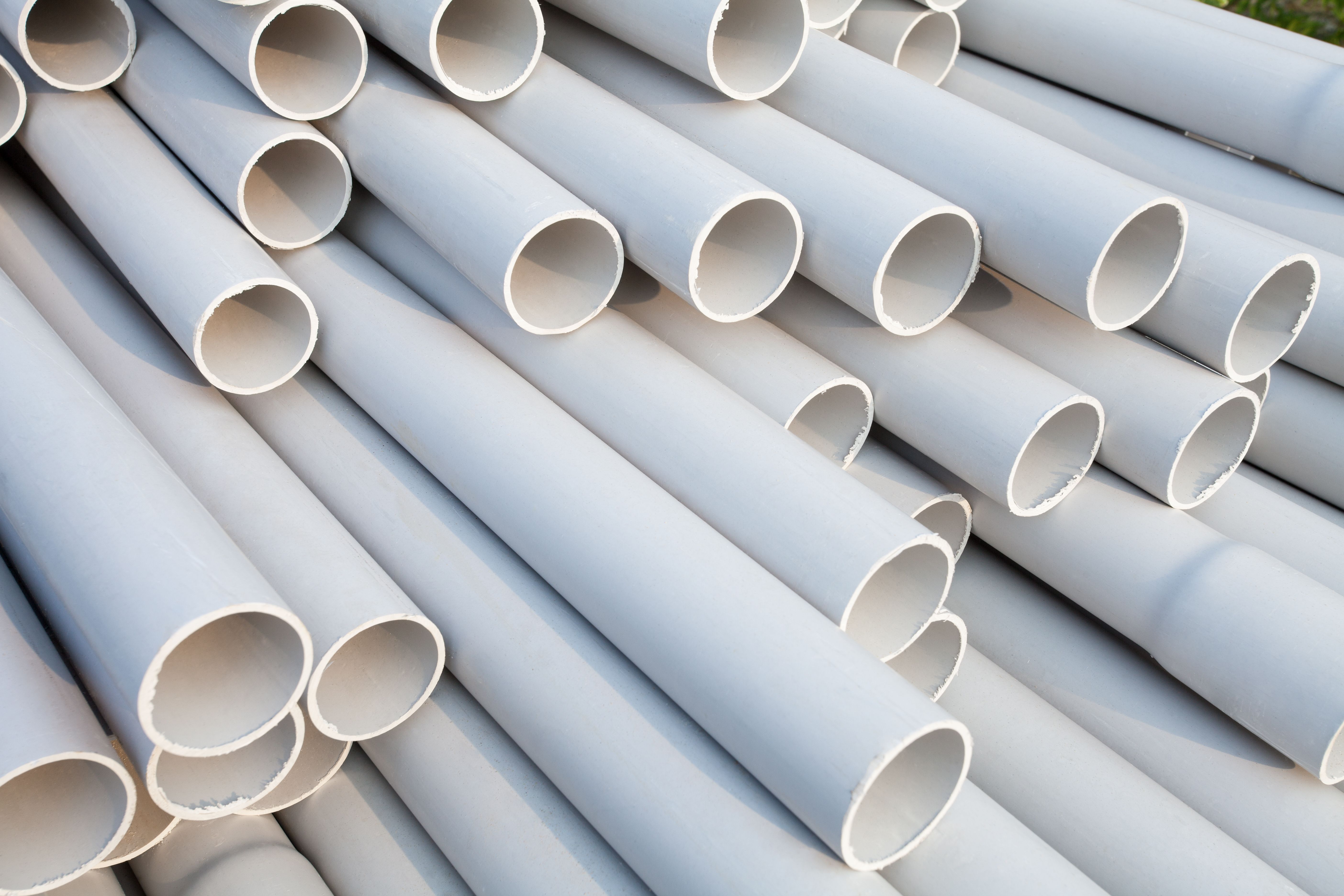
Polyvinyl Chloride, commonly known as PVC, is a widely used plastic material in plumbing. It is known for its durability, lightweight nature, and cost-effectiveness. PVC pipes are typically used for cold water applications, drainage systems, and vent lines.
Advantages of PVC
One of the main advantages of PVC is its resistance to corrosion and chemicals, making it suitable for various applications. Additionally, PVC pipes are easy to install and maintain, which can save homeowners time and money.
What is CPVC?
Chlorinated Polyvinyl Chloride, or CPVC, is a variant of PVC that undergoes a chlorination process. This modification enhances its ability to withstand higher temperatures, making CPVC suitable for hot water supply lines in residential plumbing.
Advantages of CPVC
CPVC shares many benefits with PVC, such as durability and chemical resistance. However, its added ability to handle high temperatures makes it a preferred choice for hot water applications. Additionally, CPVC is less likely to degrade over time when exposed to hot water.

Comparing Cost and Installation
When it comes to cost, PVC is generally cheaper than CPVC. However, the price difference is often justified by CPVC's ability to handle hot water. Both types of pipes are relatively easy to install, but CPVC might require more specialized fittings due to its application in hot water systems.
Environmental Impact
Both PVC and CPVC are considered environmentally friendly options compared to metal pipes, as they are less energy-intensive to produce. However, recycling options and local regulations may differ, so it's essential to consider these factors when making a choice.
Making the Right Choice
Choosing between PVC and CPVC depends largely on the specific needs of your home. If your plumbing system primarily involves cold water, PVC may be the more economical choice. For systems requiring hot water, CPVC is likely the better option.
Ultimately, understanding the differences between PVC and CPVC can guide homeowners in selecting the best material for their plumbing projects, ensuring a reliable and efficient system.