Understanding the Differences: PVC, CPVC, and ABS Pipes


Introduction to Pipe Materials
In the world of plumbing and construction, selecting the right type of pipe is crucial for ensuring a project's success. Among the most commonly used materials are PVC, CPVC, and ABS pipes. Each of these materials has unique characteristics, making them suitable for different applications. Understanding these differences can help you make informed decisions for your next project.
Whether you are a professional contractor or a DIY enthusiast, knowing when and where to use each type of pipe can save you time and money. In this post, we will explore the key differences between PVC, CPVC, and ABS pipes, helping you choose the best option for your needs.
What is PVC?
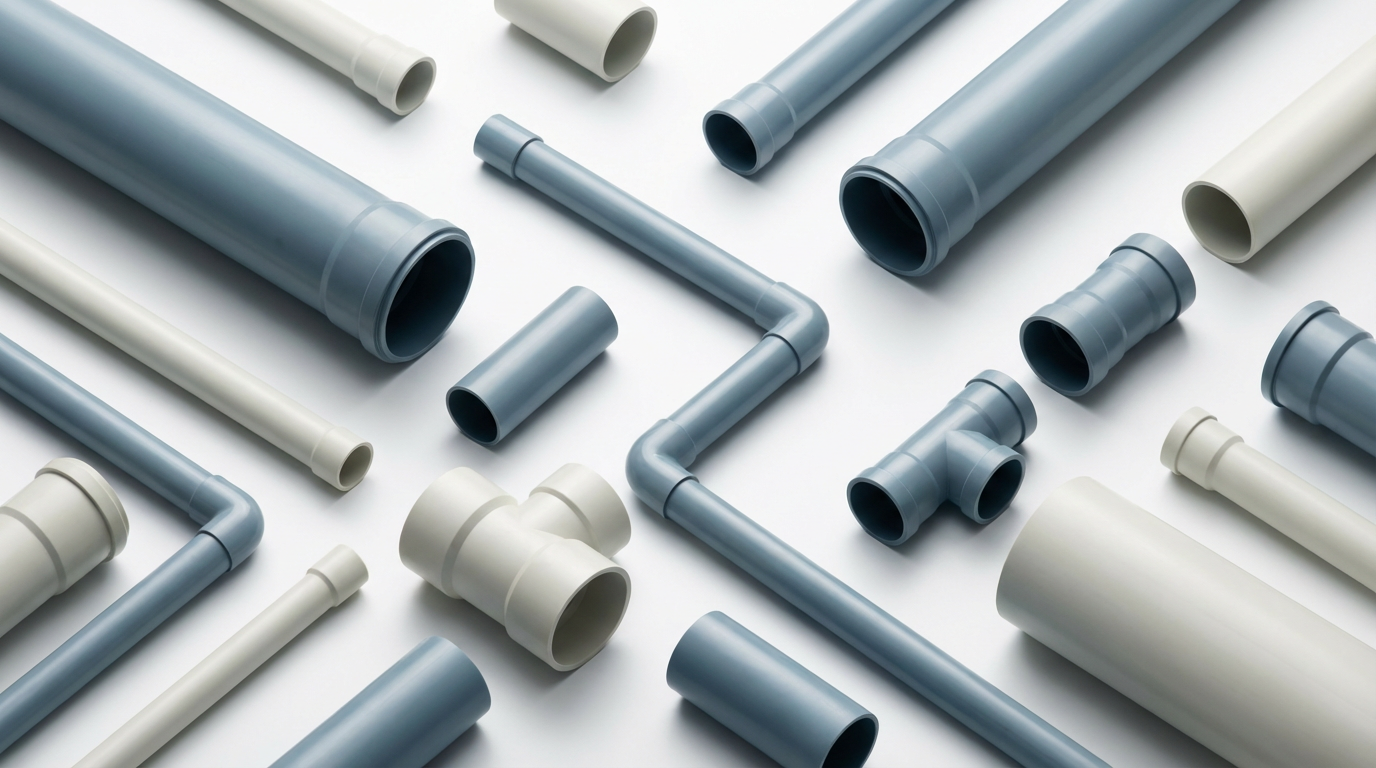
Polyvinyl Chloride (PVC) is one of the most common materials used in plumbing today. Known for its durability and resistance to corrosion, PVC pipes are often used for drainage and irrigation systems. They are lightweight, easy to install, and cost-effective, making them a popular choice for both residential and commercial applications.
However, PVC has its limitations. It is not suitable for hot water applications, as it can warp or melt at high temperatures. This makes it ideal for cold water plumbing, but not for transporting hot water.
Understanding CPVC
Chlorinated Polyvinyl Chloride (CPVC) is similar to PVC but has been treated to withstand higher temperatures. This makes CPVC pipes a preferred choice for hot water distribution systems. They offer the same advantages as PVC, such as corrosion resistance and ease of installation, but with the added benefit of handling hot water.
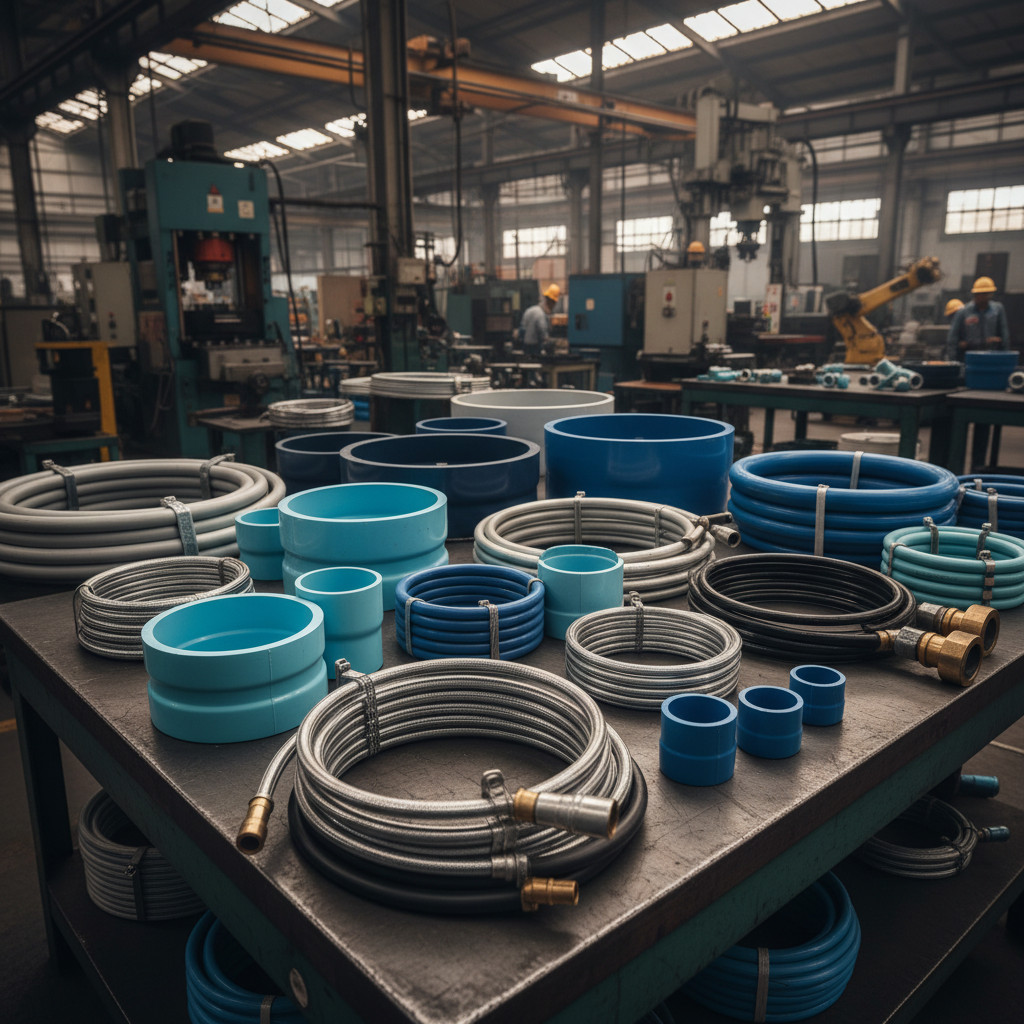
CPVC is commonly used in residential plumbing systems where hot water is necessary. It is more expensive than PVC but provides a reliable solution for hot water applications.
The Role of ABS Pipes
Acrylonitrile Butadiene Styrene (ABS) pipes are known for their strength and rigidity. Unlike PVC and CPVC, ABS pipes are black and have a higher impact resistance. They are commonly used for drain, waste, and vent (DWV) systems in residential and commercial buildings.
ABS pipes can withstand cold temperatures, making them suitable for outdoor applications. However, they are not recommended for prolonged exposure to sunlight, as UV rays can cause them to deteriorate over time.
Choosing the Right Pipe for Your Project
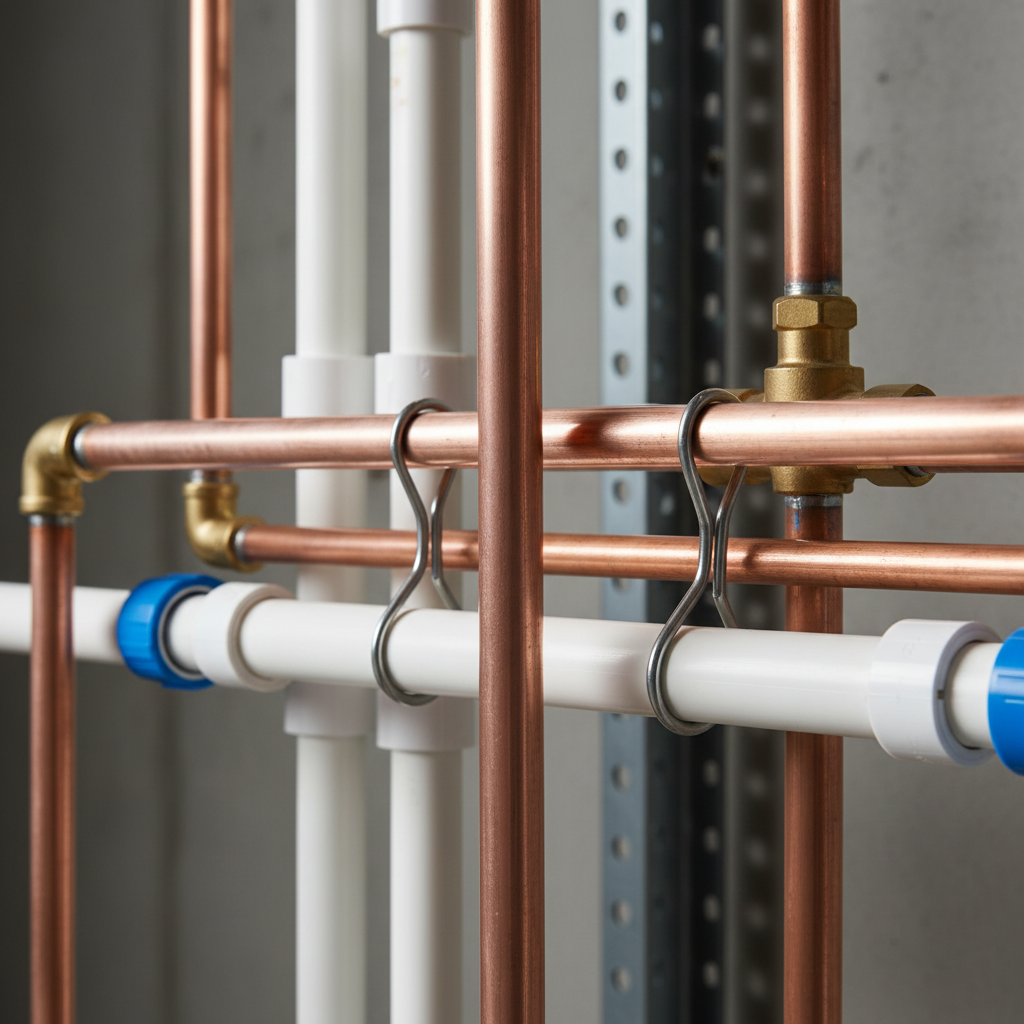
When deciding between PVC, CPVC, and ABS pipes, consider the following factors:
- Temperature: Use CPVC for hot water applications and PVC for cold water.
- Location: ABS is ideal for outdoor use but requires protection from UV exposure.
- Cost: PVC is generally more affordable, while CPVC offers additional benefits for a higher price.
Conclusion
Understanding the differences between PVC, CPVC, and ABS pipes is essential for selecting the right material for your plumbing needs. Each type of pipe offers unique benefits, and choosing the appropriate one can enhance the efficiency and longevity of your plumbing system. Consider the specific requirements of your project to make the best decision.
By keeping these factors in mind, you can ensure that your plumbing projects are both cost-effective and durable. Whether you need pipes for residential or commercial use, knowing the differences between these materials will help you achieve the best results.