The Ultimate Guide to Choosing the Right Plastic Pipes for Your Project


Understanding Plastic Pipes
Plastic pipes have become a staple in modern construction and plumbing due to their durability, cost-effectiveness, and versatility. Whether you’re tackling a home improvement project or managing a large-scale construction, choosing the right plastic pipes is crucial for ensuring the longevity and efficiency of your system.
Types of Plastic Pipes
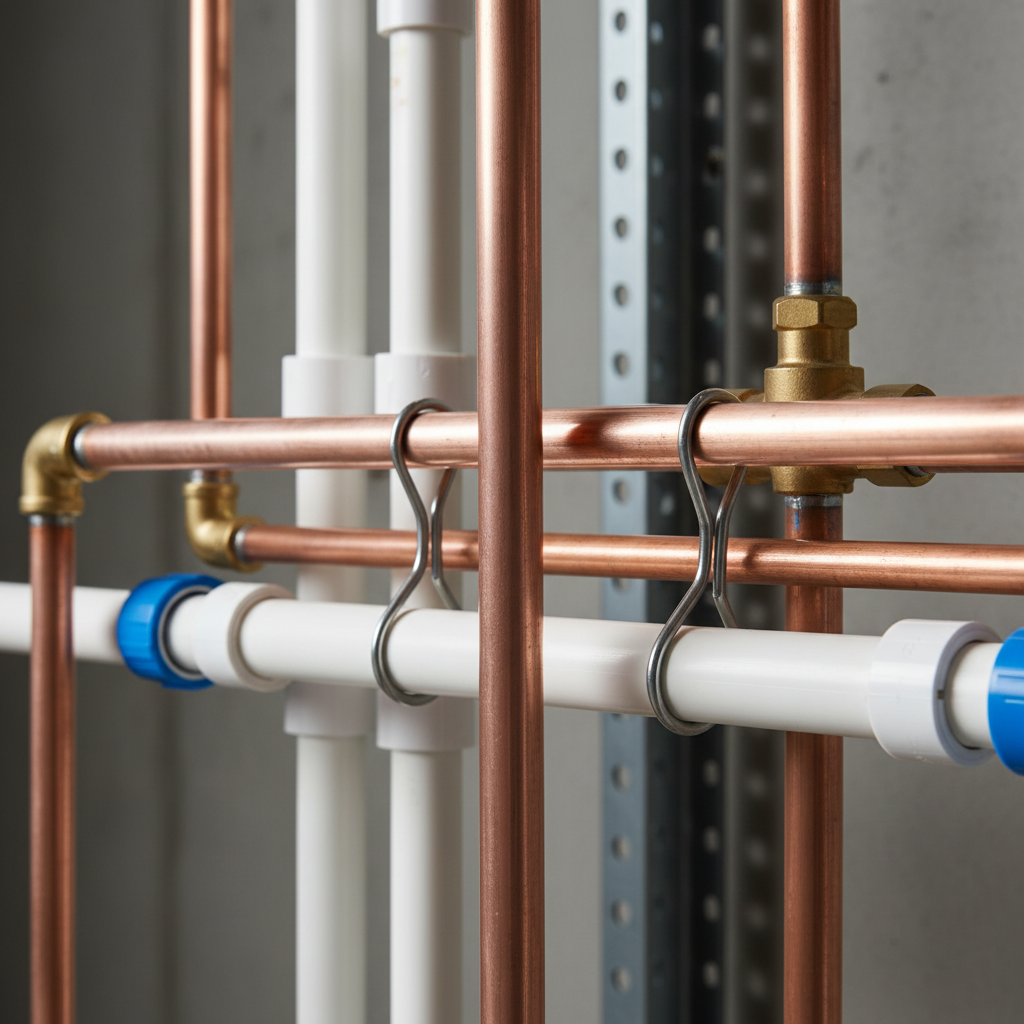
There are several types of plastic pipes available, each with unique properties that make them suitable for different applications. The most common types include:
- PVC (Polyvinyl Chloride): Ideal for cold water and drainage systems, PVC is known for its strength and resistance to corrosion.
- CPVC (Chlorinated Polyvinyl Chloride): Similar to PVC but with added chlorine, CPVC can withstand higher temperatures, making it suitable for hot water lines.
- PEX (Cross-linked Polyethylene): Flexible and easy to install, PEX is commonly used in residential plumbing for both hot and cold water systems.
- HDPE (High-Density Polyethylene): Known for its toughness, HDPE is often used in industrial applications and for gas lines.
Factors to Consider When Choosing Plastic Pipes
When selecting plastic pipes for your project, consider the following factors to ensure you make the right choice:
- Application: Determine the specific use of the pipes, such as water supply, drainage, or gas lines, to guide your choice.
- Temperature and Pressure: Evaluate the temperature and pressure requirements of your system to choose pipes that can withstand these conditions.
- Chemical Resistance: Consider the chemical compatibility of the pipes with the substances they will carry.
- Cost: Balance your budget with the quality and longevity of the pipes to get the best value for your investment.
Installation Tips
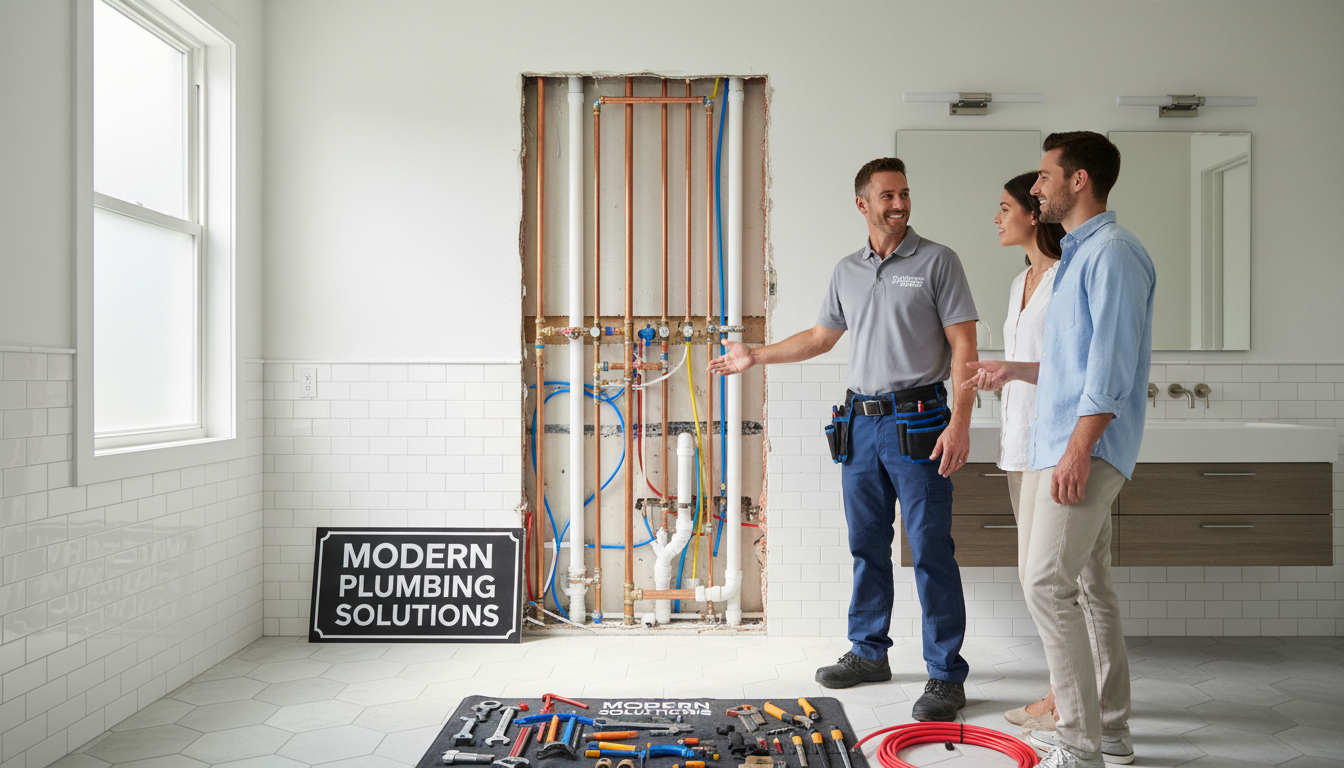
Proper installation is key to ensuring the efficiency and durability of your plastic pipes. Here are some tips to consider:
- Always follow the manufacturer’s guidelines for installation to avoid common pitfalls.
- Use the appropriate tools and fittings to prevent damage to the pipes.
- Ensure that the pipes are adequately supported to prevent sagging and other structural issues.
Maintenance and Longevity
One of the advantages of plastic pipes is their low maintenance requirements. However, regular inspections can help detect potential issues early:
Check for leaks or cracks periodically, especially at joints and connections. Keeping your pipes clean and free from obstructions will also enhance their lifespan.
Environmental Considerations
As environmental concerns grow, it's essential to choose sustainable materials. Many plastic pipes are recyclable, and opting for eco-friendly products can reduce the environmental impact of your project. Consider the lifecycle of the pipes and choose manufacturers that prioritize sustainability.
By understanding the different types of plastic pipes and considering key factors such as application, temperature, and environmental impact, you can select the right pipes for your project, ensuring efficiency, durability, and sustainability. Proper installation and maintenance will further enhance the performance and longevity of your piping system, making your investment worthwhile.