The Ultimate Guide to Choosing the Right Plastic Pipe for Your Project


Understanding Plastic Pipes
Plastic pipes are an essential component in many construction and plumbing projects. Known for their durability, flexibility, and cost-effectiveness, they are often preferred over metal alternatives. However, choosing the right plastic pipe for your specific needs can be daunting.
It’s crucial to understand the different types of plastic pipes available, as well as their specific applications. This guide will help you navigate the options and make an informed decision.
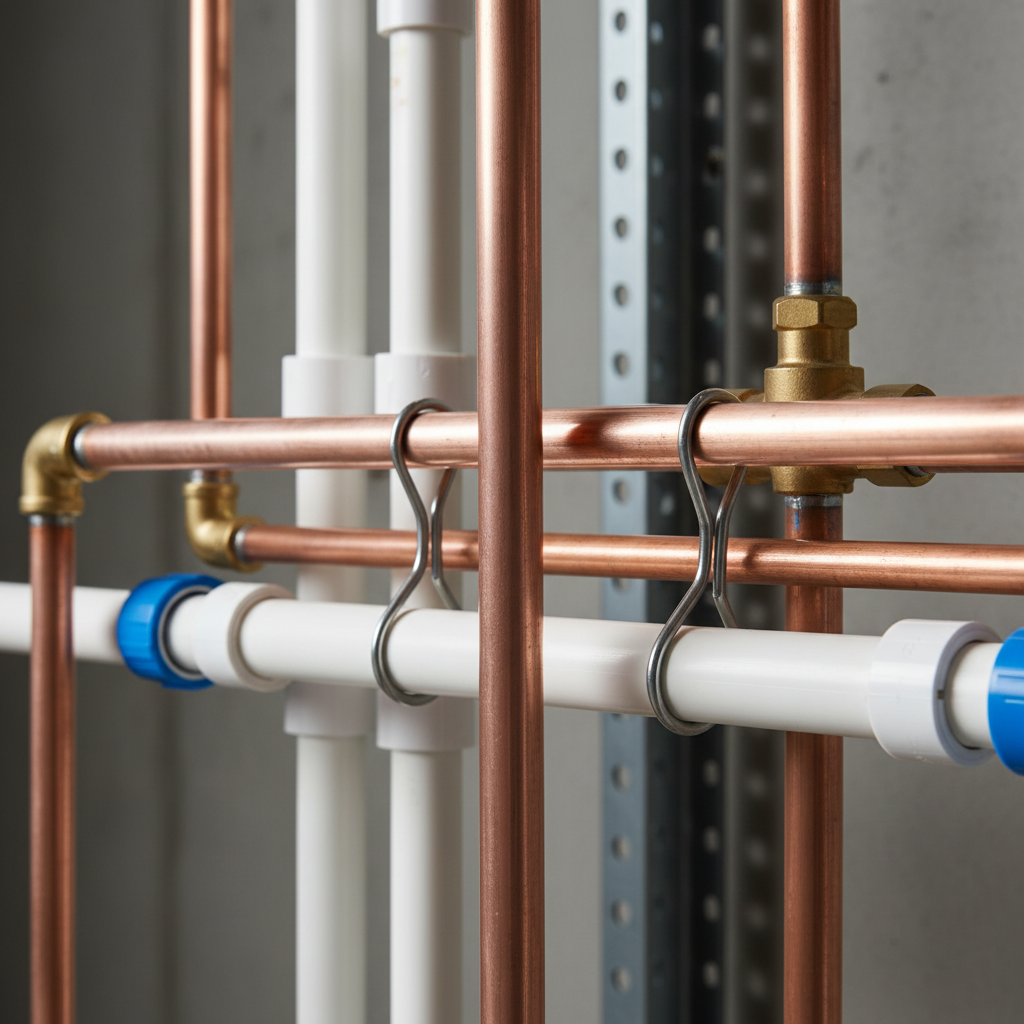
Types of Plastic Pipes
Polyvinyl Chloride (PVC)
PVC pipes are commonly used for both residential and commercial applications. They are lightweight, easy to install, and resistant to corrosion. PVC is an excellent choice for cold water systems and drainage applications.
Chlorinated Polyvinyl Chloride (CPVC)
Similar to PVC, CPVC pipes can withstand higher temperatures, making them suitable for hot water applications. They offer excellent chemical resistance and are often used in industrial settings.
Cross-linked Polyethylene (PEX)
PEX pipes are known for their flexibility and ease of installation. They are often used in residential plumbing for both hot and cold water systems. PEX is resistant to scale and chlorine, making it a durable choice.
Factors to Consider
Project Requirements
Consider the specific requirements of your project, including pressure, temperature, and chemical exposure. These factors will help determine the most suitable type of plastic pipe.
- Temperature: Ensure the pipe can withstand the temperature range of your application.
- Pressure: Check the pressure ratings to ensure they meet your project's demands.
- Chemical Resistance: Consider the types of chemicals the pipe will be exposed to.
Environmental Impact
Think about the environmental conditions where the pipes will be installed. UV exposure, soil conditions, and potential impacts from freezing temperatures can affect the longevity and performance of the pipes.
Installation and Maintenance
Proper installation and maintenance are crucial for the long-term performance of plastic pipes. Follow the manufacturer's guidelines and consider hiring a professional installer when necessary. Regular inspections and maintenance will extend the life of your pipes and prevent costly repairs.
By understanding the different types of plastic pipes and considering the specific needs of your project, you can confidently choose the right option. This ensures not only optimal performance but also long-term reliability and efficiency.