The Benefits of Using Polyethylene Pipes in Agricultural Irrigation


In recent years, the agricultural sector has seen significant advancements in irrigation technology. Among these innovations, the use of polyethylene pipes has emerged as a popular choice for farmers looking to improve their irrigation systems. Polyethylene pipes offer numerous advantages that make them ideal for agricultural applications.
Durability and Longevity
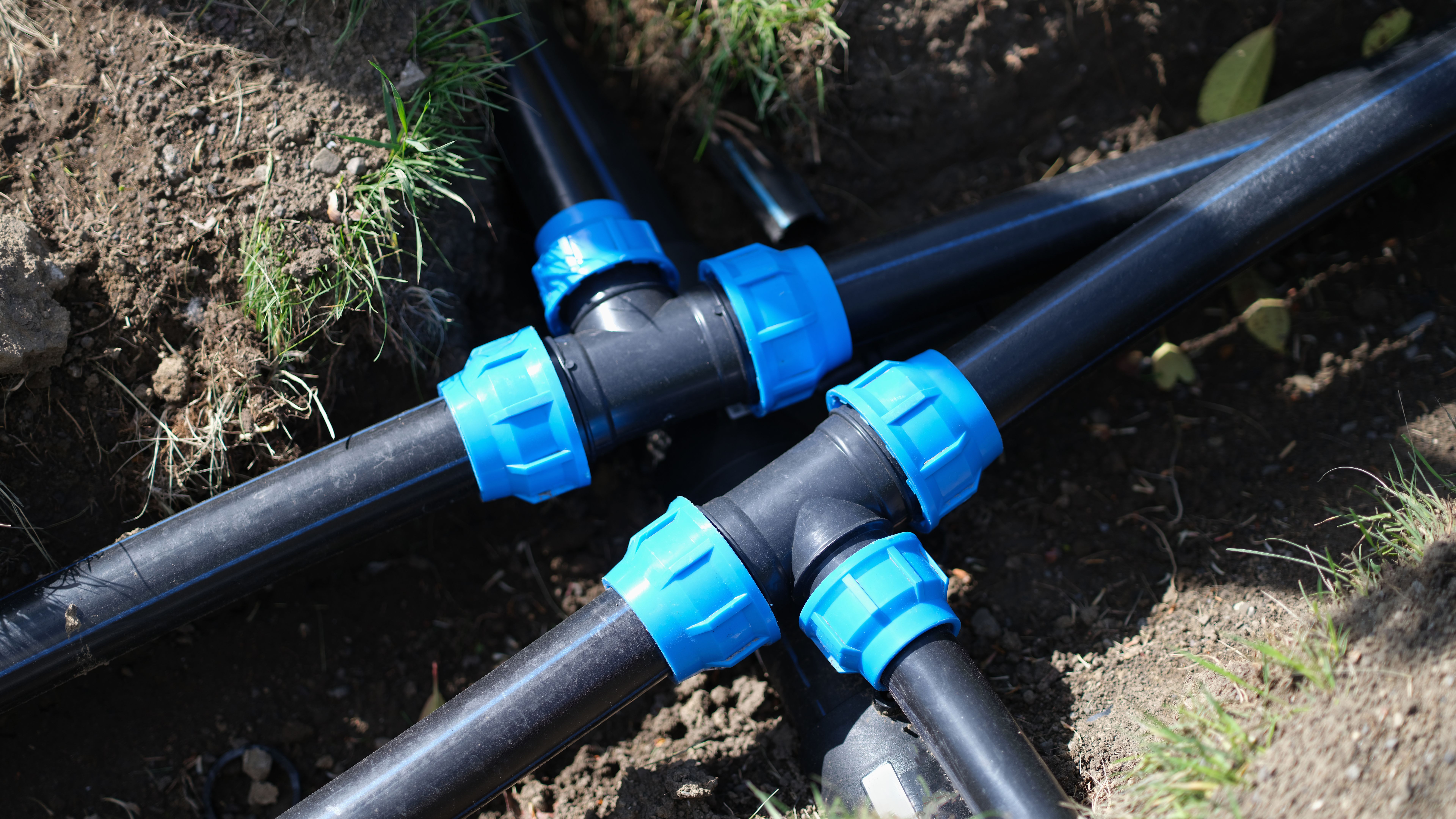
One of the primary benefits of using polyethylene pipes in agricultural irrigation is their exceptional durability. These pipes are resistant to corrosion, chemicals, and UV radiation, ensuring a long lifespan even under harsh environmental conditions. This resilience translates to fewer replacements and repairs, saving farmers both time and money in the long run.
Additionally, polyethylene pipes are highly flexible, which allows them to withstand ground movements and temperature variations without cracking or breaking. This flexibility is particularly beneficial in areas prone to earthquakes or frequent temperature changes, ensuring a reliable water supply for crops.
Cost-Effectiveness
Polyethylene pipes are a cost-effective option for agricultural irrigation due to their relatively low installation and maintenance costs. The lightweight nature of these pipes makes them easy to transport and install, reducing labor expenses. Moreover, their long lifespan means that farmers can avoid frequent replacements, further contributing to cost savings.
In addition to the initial savings, polyethylene pipes also offer reduced operational costs. Their smooth interior surface minimizes friction, allowing for efficient water flow and reducing energy consumption in pumping systems.
Environmental Benefits
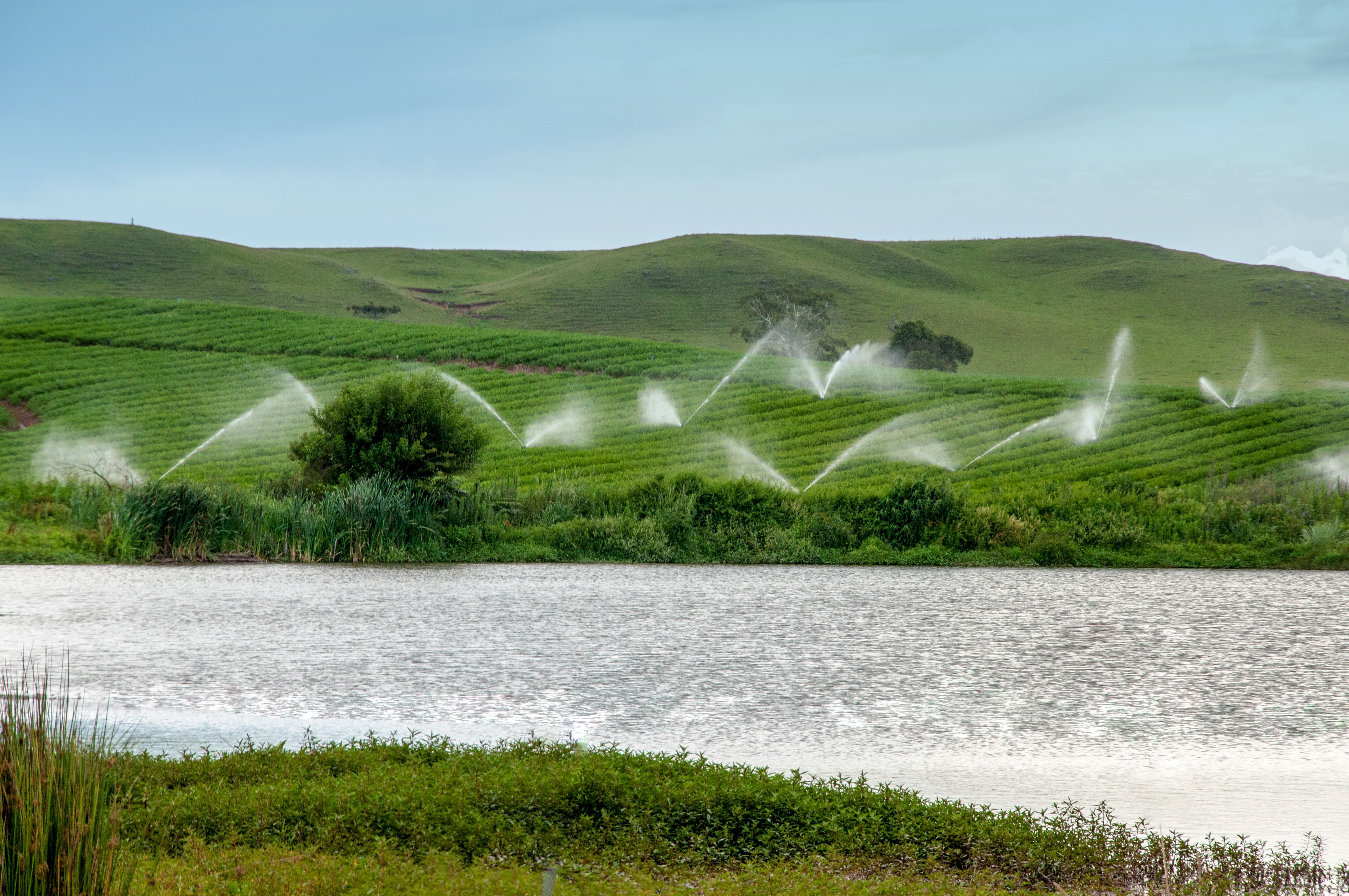
Using polyethylene pipes in irrigation systems can also have positive environmental impacts. These pipes help in conserving water by reducing leaks and ensuring even water distribution across fields. This efficiency supports sustainable farming practices, which are crucial for preserving water resources.
Moreover, polyethylene pipes are recyclable, contributing to reduced plastic waste. Farmers who choose these pipes are making a responsible decision that aligns with environmentally friendly practices.

Easy Integration and Versatility
Polyethylene pipes are compatible with various irrigation systems, including drip, sprinkler, and surface irrigation. This versatility allows farmers to easily integrate them into their existing setups or design new systems tailored to their specific needs. The availability of different sizes and pressure ratings further enhances their adaptability for diverse agricultural applications.
In summary, the use of polyethylene pipes in agricultural irrigation offers numerous benefits, including durability, cost-effectiveness, environmental sustainability, and versatility. As farmers continue to seek ways to optimize their irrigation systems, the adoption of polyethylene pipes is likely to increase, contributing to more efficient and sustainable agricultural practices.