The Benefits of Using Polyethylene Pipes for Sustainable Water Supply


Introduction to Polyethylene Pipes
Polyethylene pipes have become an essential component in modern water supply systems, offering numerous benefits over traditional materials. As the world moves towards sustainable solutions, these pipes stand out for their durability, cost-effectiveness, and environmental benefits.
Durability and Longevity
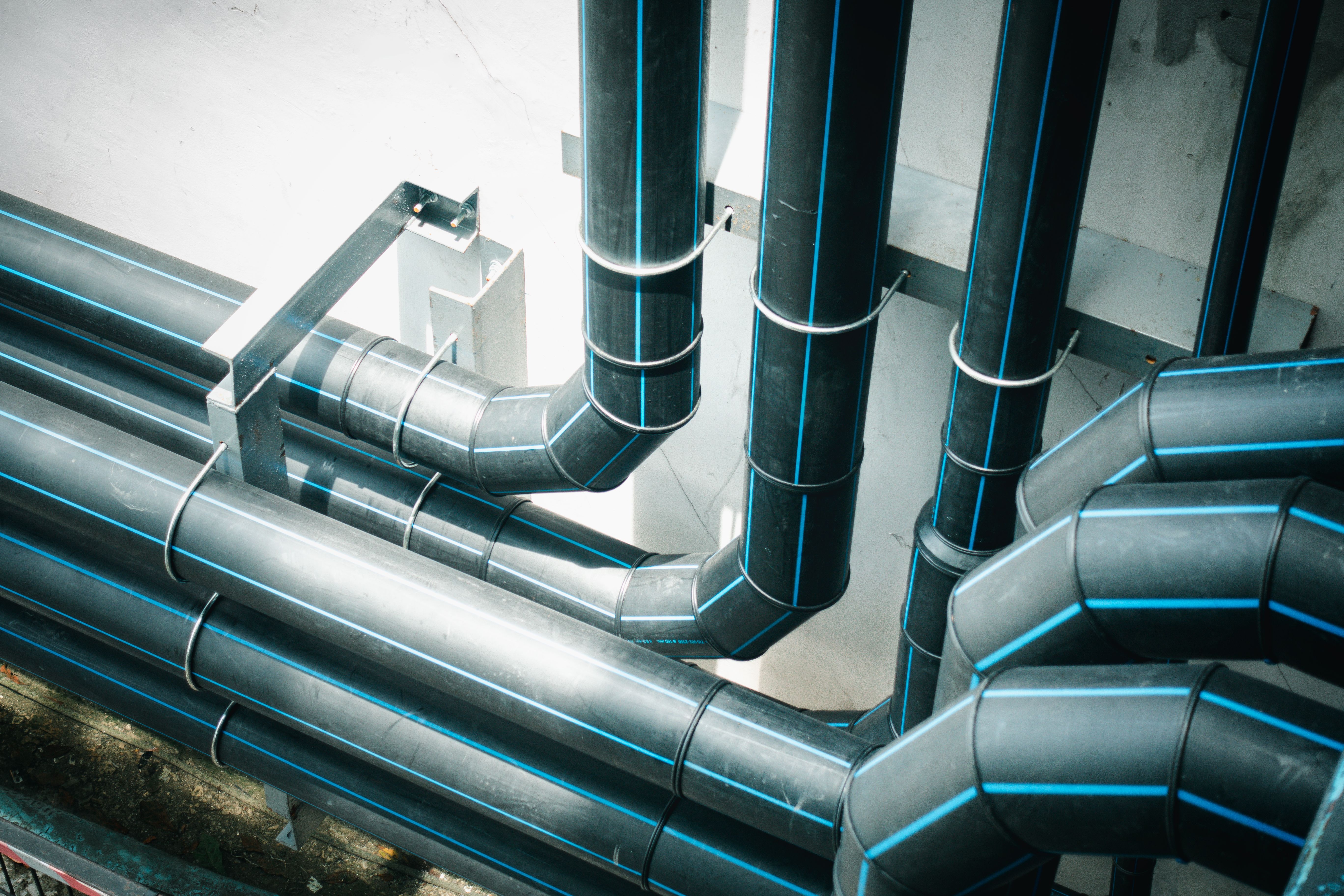
One of the most significant advantages of polyethylene pipes is their exceptional durability. Unlike metal pipes, they are highly resistant to corrosion, which ensures a longer lifespan. This resistance to various chemicals and environmental factors makes them an ideal choice for water supply systems.
The flexibility of polyethylene also allows it to withstand ground movements and pressure changes without cracking or breaking. This quality significantly reduces the risk of leaks and ensures a consistent water supply.
Cost-Effectiveness
Polyethylene pipes offer a cost-effective solution for both installation and maintenance. Their lightweight nature makes transportation and installation easier and less expensive compared to heavier materials like steel or concrete.
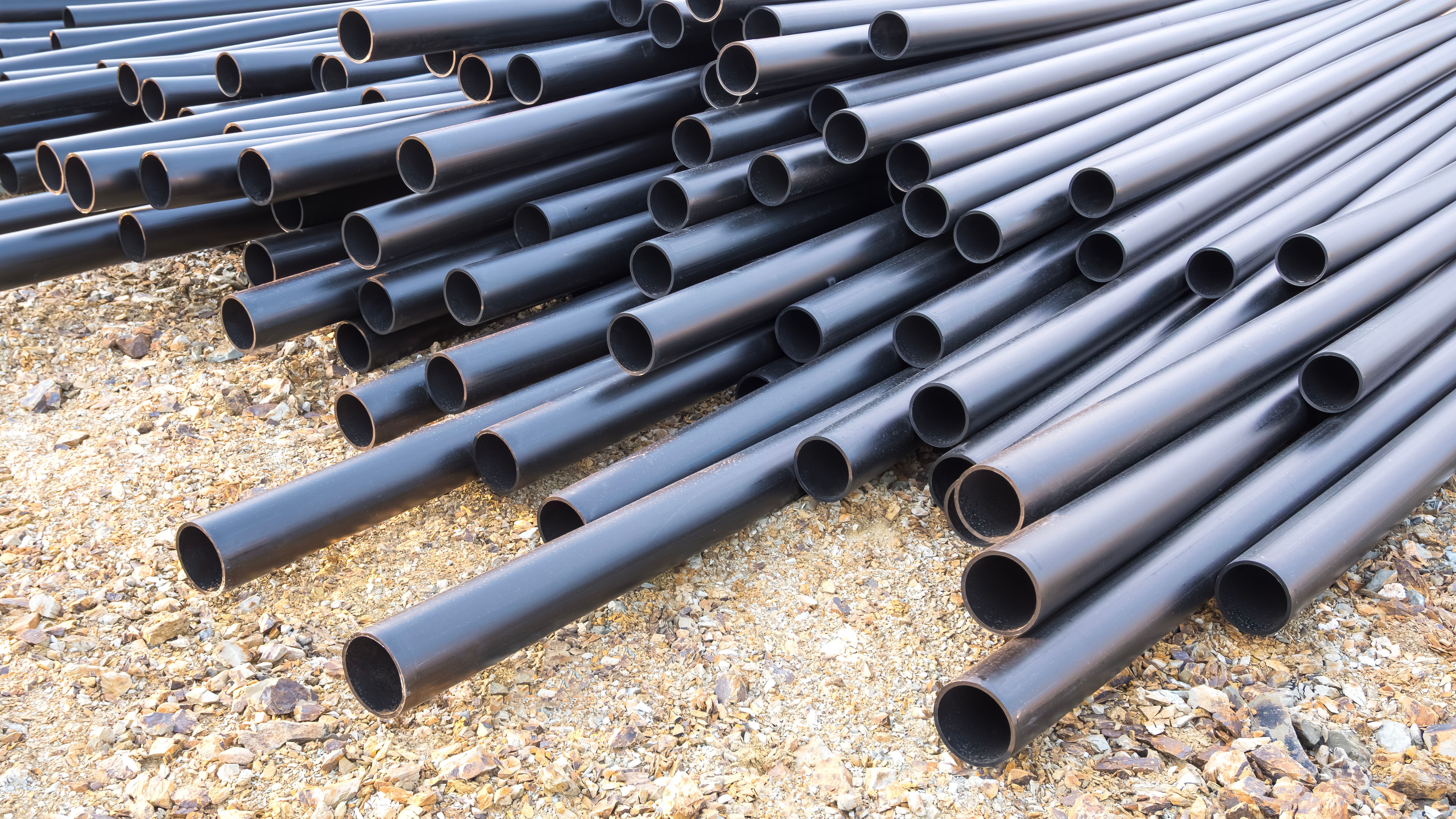
Maintenance costs are also minimized due to their resistance to scaling and corrosion, which means fewer repairs and replacements over time. This can lead to significant savings for municipalities and private water suppliers.
Environmental Benefits
Choosing polyethylene pipes aligns with sustainable practices. They are made from recyclable materials, and at the end of their useful life, they can be repurposed, reducing environmental impact.
The production process for polyethylene pipes also requires less energy compared to traditional materials, further decreasing their carbon footprint. This makes them a responsible choice for environmentally-conscious projects.

Improved Water Quality
Polyethylene pipes contribute to better water quality by preventing contamination. They do not rust or corrode, which means there is no risk of harmful particles entering the water supply. This ensures safe and clean water for communities.
Additionally, their smooth inner surfaces prevent the build-up of deposits, reducing the risk of bacterial growth and maintaining the water's purity.
Conclusion
Incorporating polyethylene pipes into water supply systems offers a range of benefits that align with the goals of sustainability and efficiency. Their durability, cost-effectiveness, and environmental advantages make them an ideal choice for modern infrastructure projects.
As we strive to create sustainable solutions for our communities, polyethylene pipes provide a reliable and responsible option for ensuring a consistent and clean water supply.