How to Install PVC Pipes for Efficient Water Supply Systems


Understanding PVC Pipes
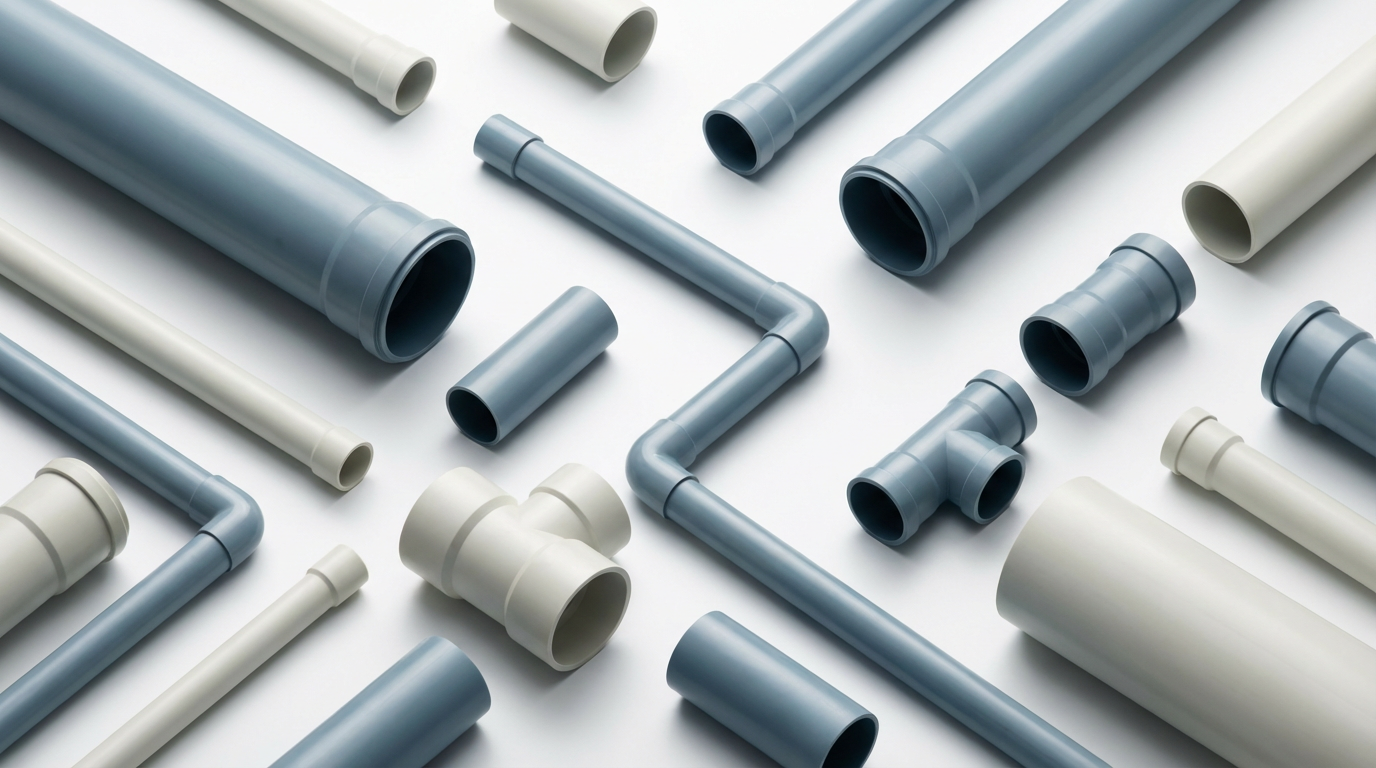
PVC (Polyvinyl Chloride) pipes are a popular choice for water supply systems due to their durability, affordability, and ease of installation. These pipes are resistant to corrosion and chemicals, making them ideal for both residential and commercial plumbing applications. Before you begin installation, it's essential to understand the types of PVC pipes available and their specific applications.
Preparing for Installation
Proper preparation is key to a successful installation. Begin by gathering all necessary tools and materials, including PVC pipes, pipe cutters, primer, cement, and fittings. Ensure you have a clear plan for the layout of your water supply system, taking into account the path the pipes will follow and any potential obstacles.
Next, measure the areas where the pipes will be installed. Accurate measurements will help you cut the pipes to the correct lengths and avoid unnecessary waste. It's also important to check local building codes to ensure compliance with regulations.
Cutting the Pipes
Once you have your measurements, use a pipe cutter to cut the PVC pipes to the required lengths. Ensure the cuts are clean and straight to allow for a secure fit. After cutting, remove any burrs or rough edges with sandpaper or a deburring tool.
Assembling the Pipes
With your pipes cut and prepared, the next step is to assemble them. Start by applying PVC primer to the inside of the fittings and the outside of the pipe ends. The primer cleans and softens the PVC surface, ensuring a strong bond.
After priming, immediately apply PVC cement to the same areas. Insert the pipe into the fitting and give it a quarter turn to evenly distribute the cement. Hold the joint together for about 30 seconds to allow the cement to set.
Testing the System
Once all the pipes are assembled, it's crucial to test the system for leaks. Turn on the water supply and check each joint for any signs of leakage. If leaks are found, they may need to be resealed or tightened.

Maintaining Your PVC System
Regular maintenance is essential to ensure the longevity and efficiency of your PVC water supply system. Periodically inspect the pipes and joints for any signs of wear or damage. Address any issues promptly to prevent more significant problems down the line.
By following these steps, you can install a PVC pipe system that provides a reliable and efficient water supply for years to come. Whether you're a DIY enthusiast or a professional plumber, understanding the installation process is crucial for success.