How to Choose the Right Plumbing Valves for Your Project


Understanding Plumbing Valves
Plumbing valves play a crucial role in managing the flow and pressure of water within a plumbing system. They are essential components that ensure the system operates efficiently and safely. Choosing the right valve for your project can be daunting, especially with the variety of options available on the market. This guide will help you make an informed decision by exploring different types of valves and their applications.
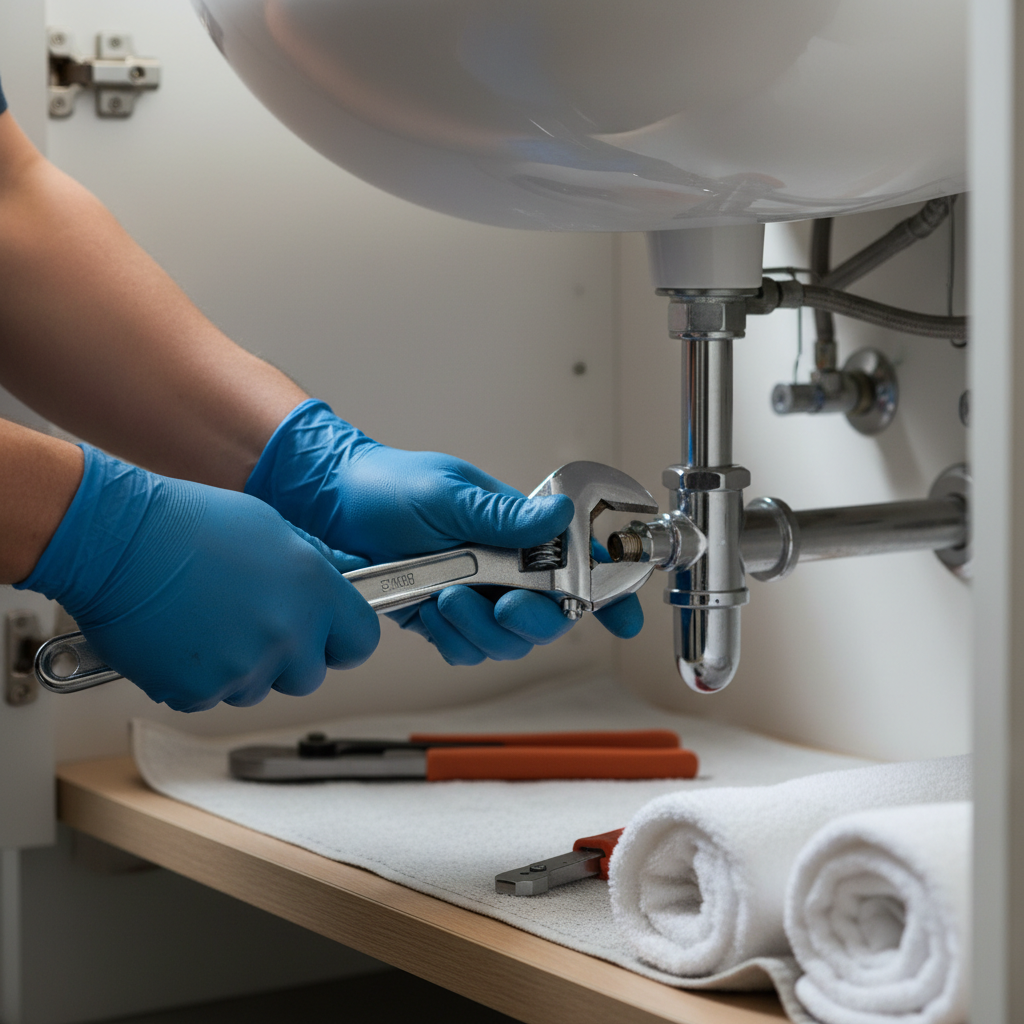
Types of Plumbing Valves
Ball Valves
Ball valves are known for their durability and excellent shut-off capabilities. They use a rotating ball with a hole through it, allowing for quick and easy control of water flow. These valves are ideal for applications where a full, unobstructed flow is needed, such as in main water lines.
Gate Valves
Gate valves are primarily used to completely stop the flow of water or allow it to pass freely. They operate by lifting a gate out of the path of the water. While they are excellent for on/off control, they are not recommended for flow regulation, as they can suffer from wear and tear if used frequently for this purpose.
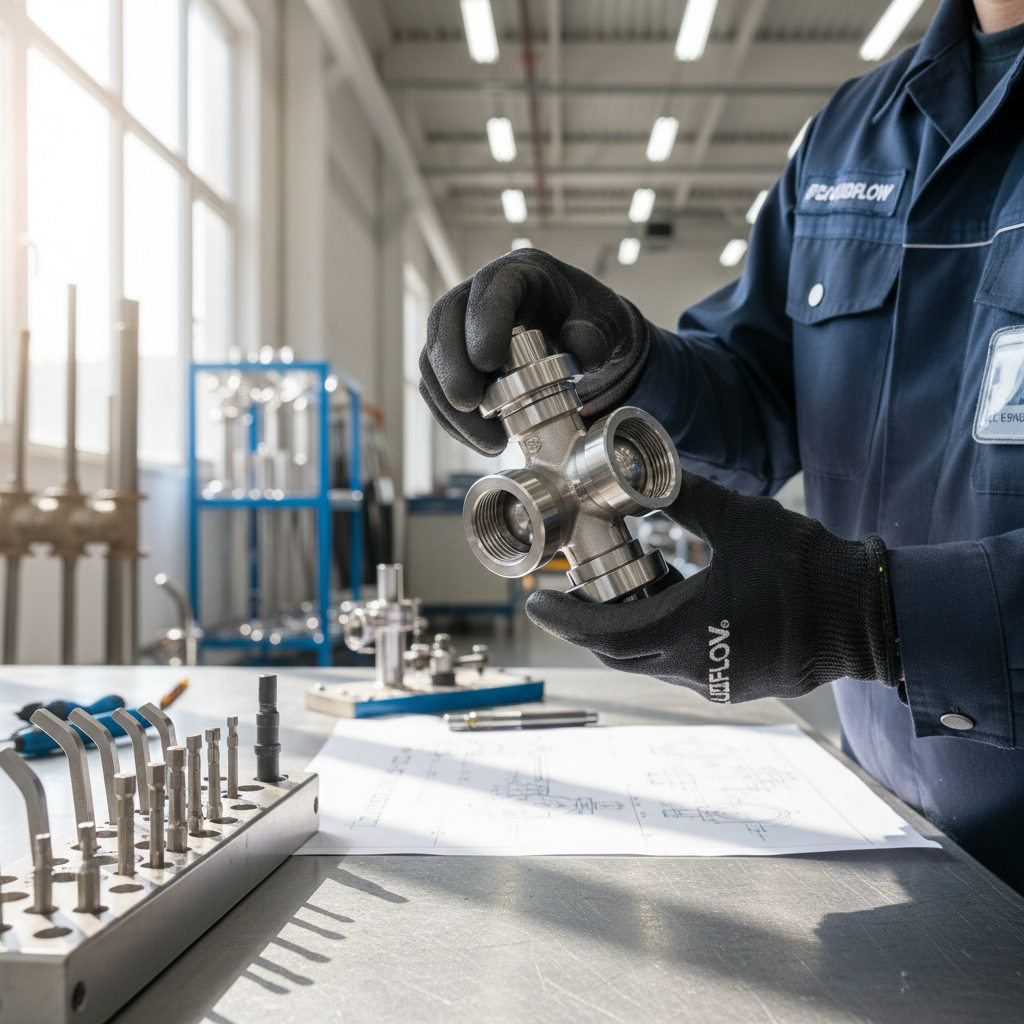
Factors to Consider When Choosing Valves
Material
The material of the valve is significant as it affects both durability and suitability for specific environments. Common materials include brass, stainless steel, and plastic. Brass is often used for residential applications, while stainless steel is more suitable for industrial environments due to its resistance to corrosion.
Size and Compatibility
Ensure the valve size is compatible with your plumbing system. Valves come in various sizes, and using the wrong size can result in leaks or inefficient system performance. Always check the specifications to match the valve size with your pipe dimensions.
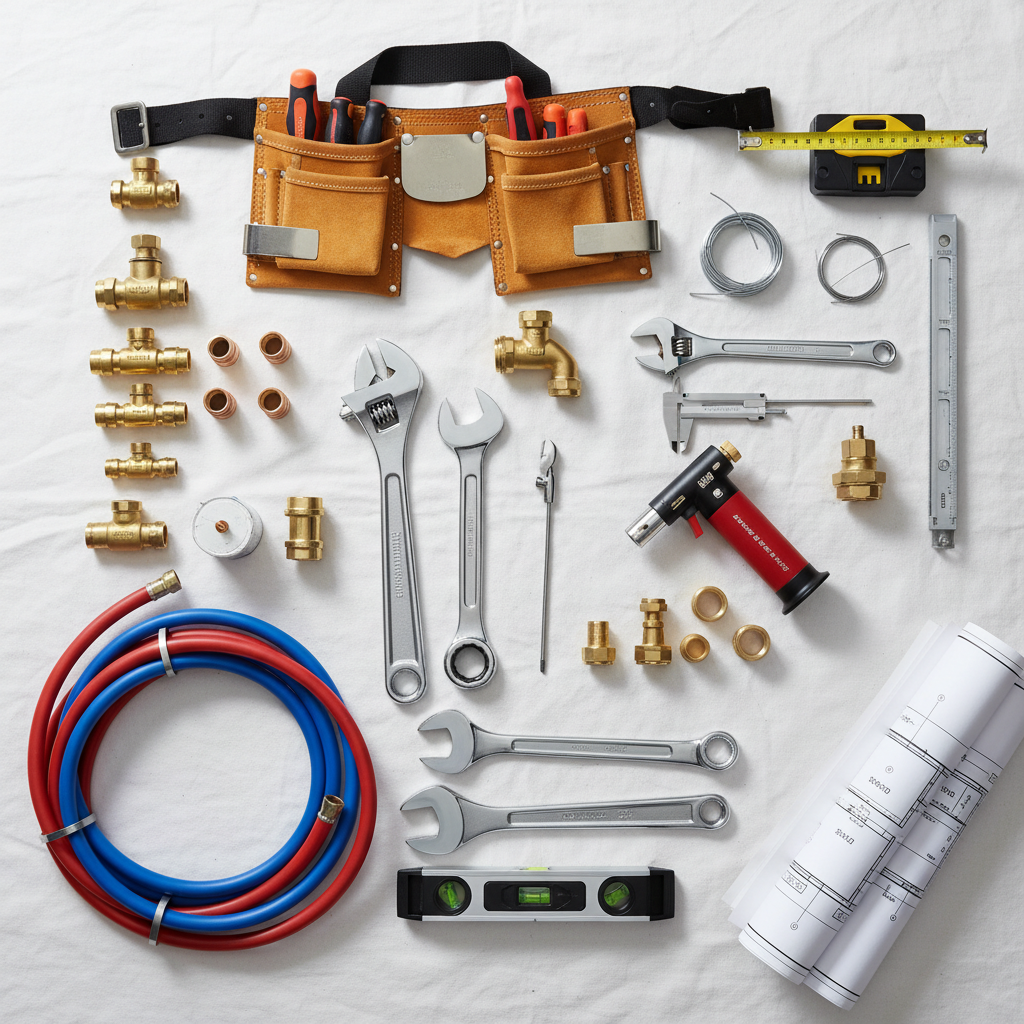
Installation and Maintenance
Proper installation is crucial for the optimal performance of any valve. Incorrect installation can lead to water leaks and system failures. It is advisable to follow the manufacturer's instructions or hire a professional plumber if you're unsure about the installation process.
Regular maintenance is also vital to ensure long-term functionality. Inspect valves periodically for signs of wear and corrosion, and replace any faulty components promptly. This proactive approach can prevent costly repairs and extend the lifespan of your plumbing system.
Conclusion
Choosing the right plumbing valves requires careful consideration of the valve type, material, size, and installation requirements. By understanding the specific needs of your project and the characteristics of different valves, you can make an informed decision that enhances the efficiency and reliability of your plumbing system.