How to Choose the Right Plumbing Valves for Your Home


Understanding the Basics of Plumbing Valves
When it comes to home plumbing, choosing the right valves is crucial for effective water flow and control. Valves are essential components that regulate the pressure, direction, and flow of water in your pipes. Understanding the different types of valves and their uses can help you make informed decisions for your home.
Plumbing valves come in various types, including gate valves, ball valves, and check valves. Each type serves a specific purpose, and selecting the right one depends on your plumbing needs. It's important to consider factors like durability, purpose, and material when making your choice.
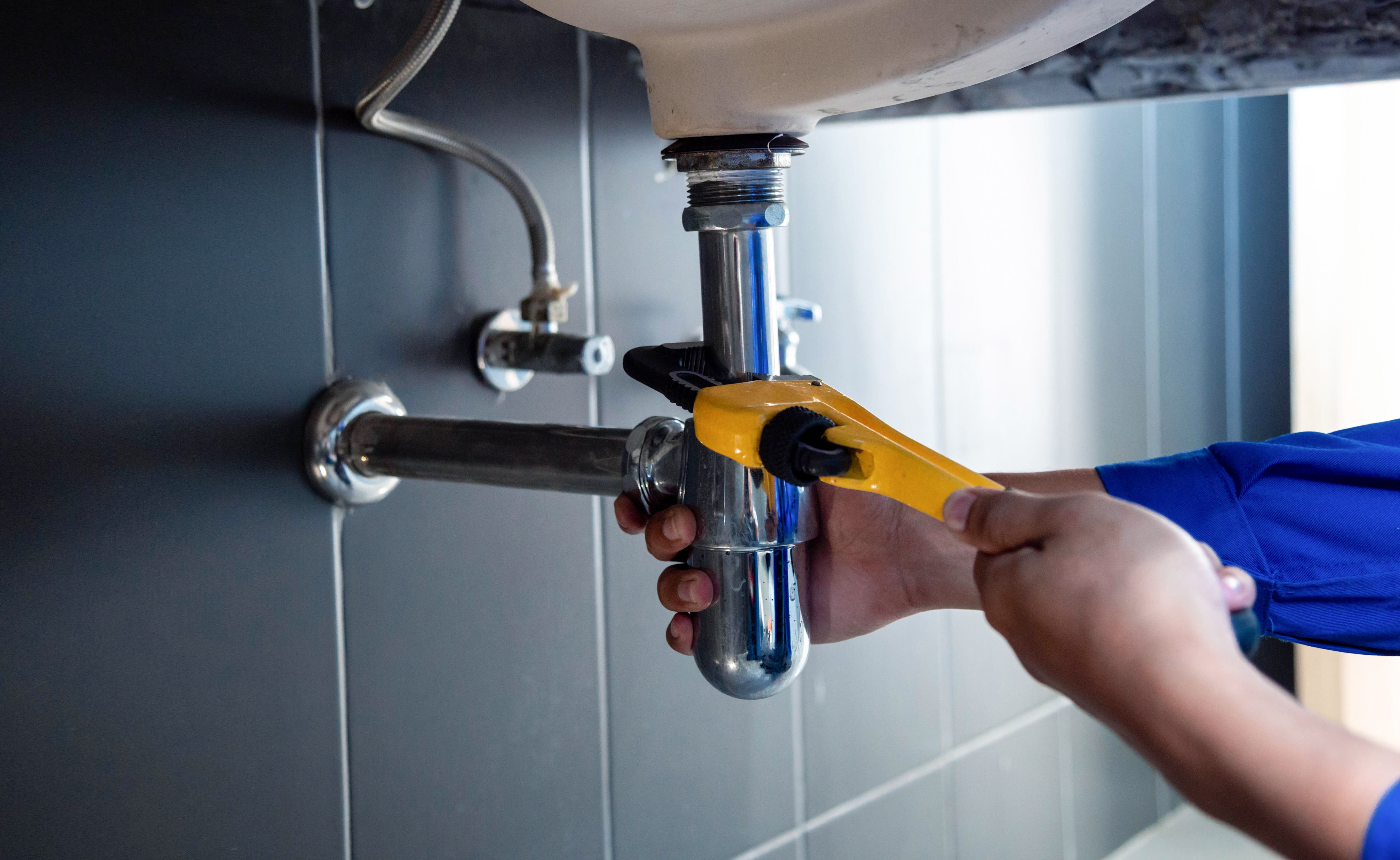
Types of Plumbing Valves
Gate Valves
Gate valves are commonly used in residential plumbing systems to completely stop or allow water flow. They are ideal for applications where you need full flow and minimal restriction. However, they are not suitable for regulating flow, as partially open gate valves can cause wear and tear.
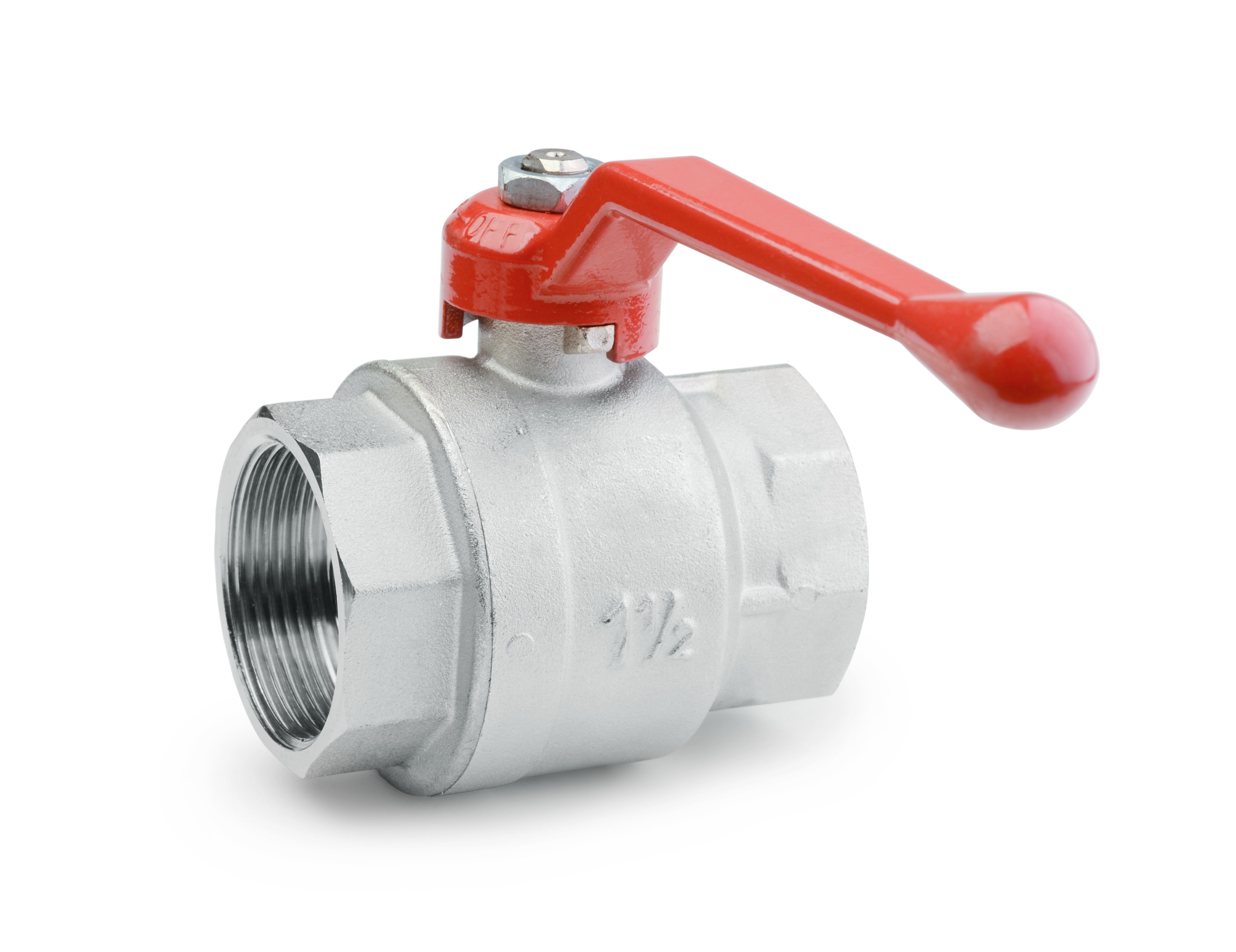
Ball Valves
Ball valves are known for their durability and reliability. They use a rotating ball with a hole through it to control water flow. This type of valve provides a tight seal and is easy to operate, making it a popular choice for both shut-off and control applications.
Check Valves
Check valves allow water to flow in one direction only, preventing backflow. They are commonly used in systems where backflow could cause damage or contamination, such as in sump pumps or water heaters. Choosing the right check valve depends on the specific requirements of your plumbing system.
Factors to Consider When Choosing Valves
When selecting plumbing valves, consider the following factors to ensure you choose the right ones for your home:
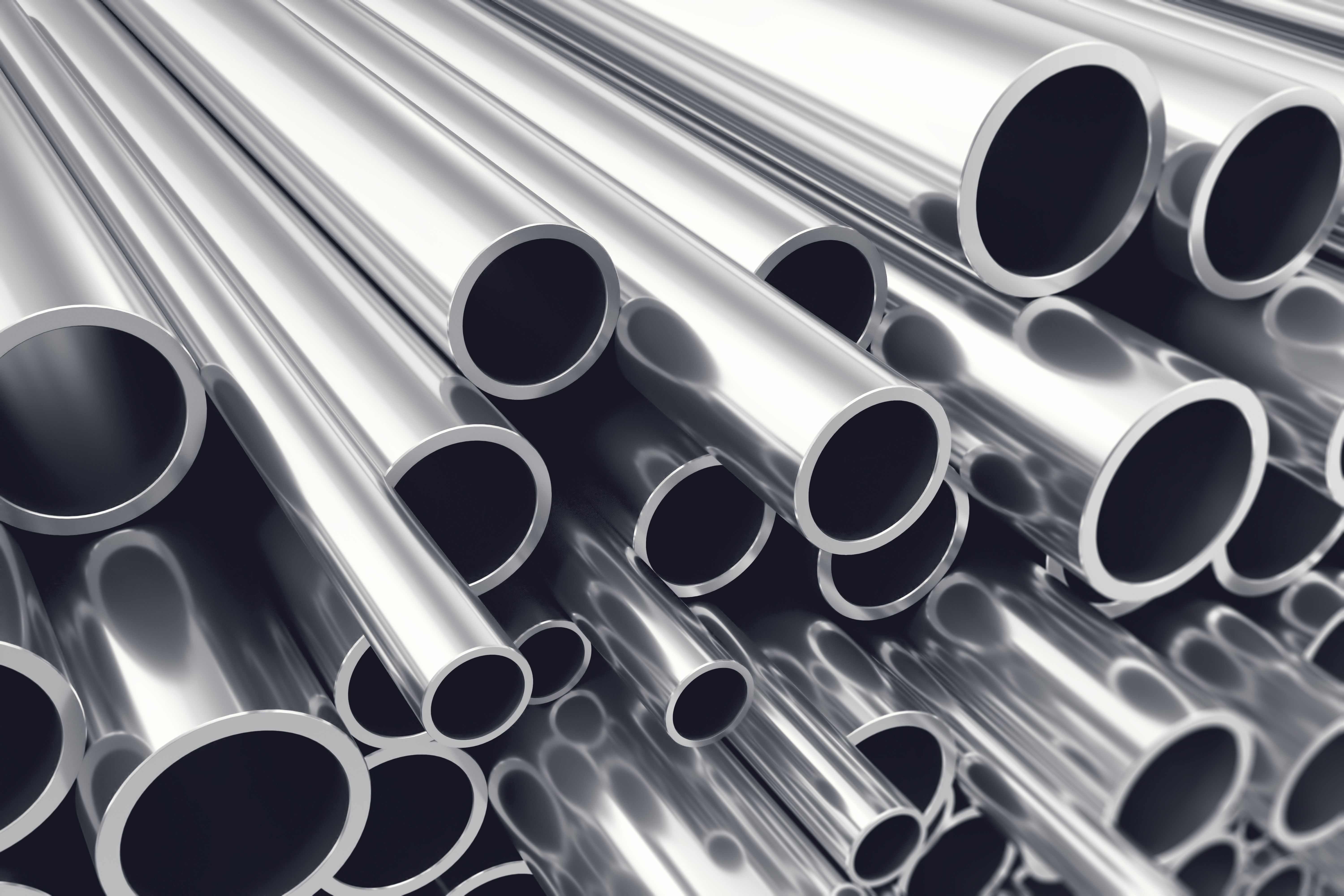
- Material: Opt for valves made from durable materials like brass or stainless steel for longevity.
- Size: Ensure the valve size matches your pipe size to avoid leaks and inefficiencies.
- Purpose: Choose valves that suit the specific function you need, whether it's shut-off, control, or backflow prevention.
Installation and Maintenance Tips
Proper installation and maintenance of plumbing valves are essential to prevent leaks and ensure efficient operation. It's important to follow manufacturer guidelines during installation and regularly inspect valves for signs of wear or damage.
Regular maintenance includes cleaning the valves and checking for any corrosion or mineral buildup. Replacing worn-out valves promptly can prevent potential plumbing issues and maintain the efficiency of your system.
By understanding the different types of plumbing valves and considering the factors mentioned, you can select the right valves that meet your home’s plumbing needs. This ensures a reliable and efficient water system, providing peace of mind for you and your family.