Exploring the Benefits of Using HDPE Pipes in Industrial Applications


High-Density Polyethylene (HDPE) pipes have become a staple in industrial applications due to their remarkable properties and versatility. From chemical processing to water supply systems, HDPE pipes offer numerous advantages that make them a preferred choice for engineers and project managers.
Durability and Longevity
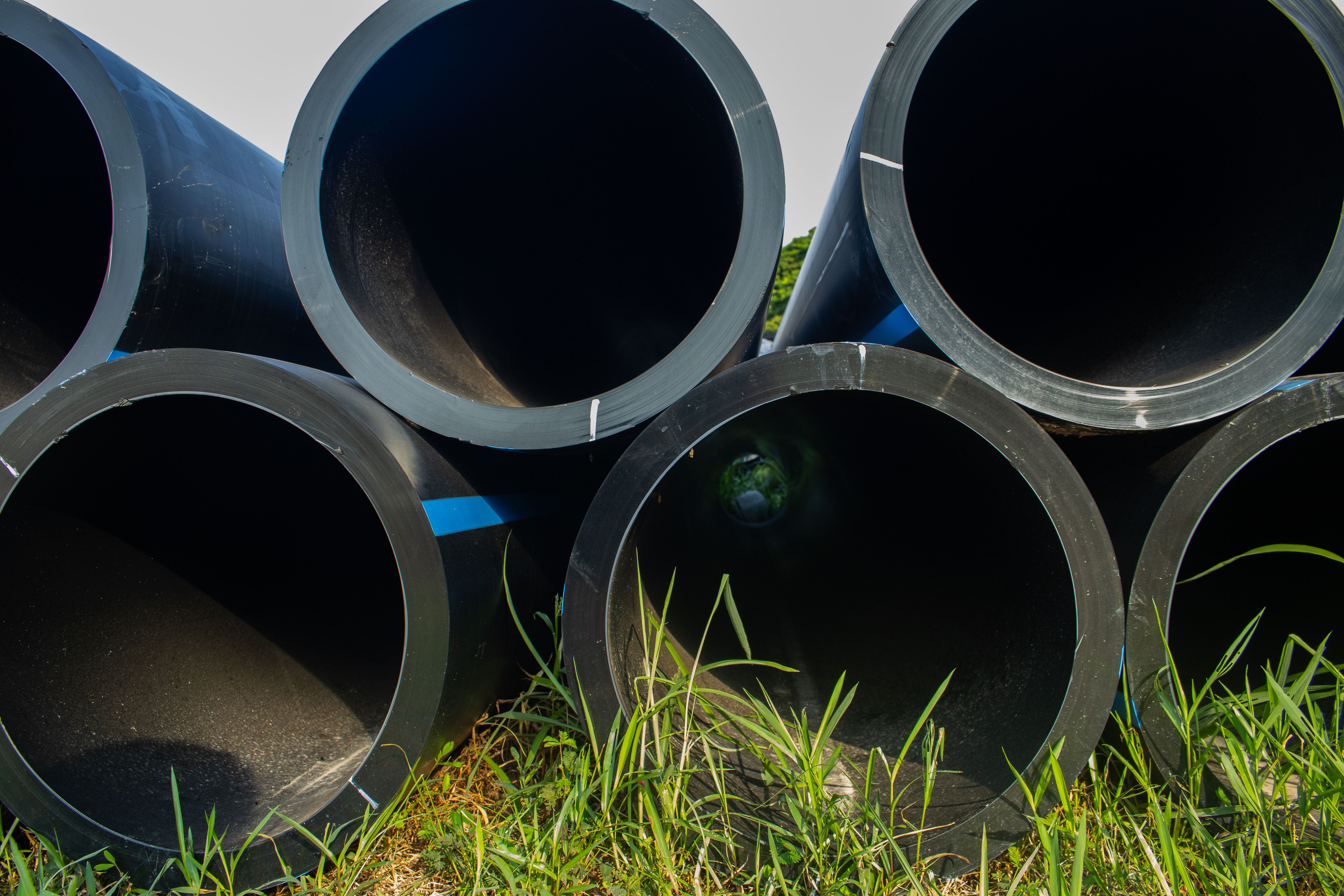
One of the primary benefits of HDPE pipes is their exceptional durability. These pipes are resistant to various environmental factors, including UV radiation, which often causes other types of materials to degrade over time. In addition, HDPE pipes can withstand harsh chemicals and extreme temperatures, making them suitable for a wide range of industrial applications.
The longevity of HDPE pipes is another significant advantage. Unlike traditional piping materials, HDPE pipes are not susceptible to corrosion, rust, or biological growth. This resistance ensures a long service life, often exceeding 50 years, which translates to lower maintenance and replacement costs for industries.
Flexibility and Ease of Installation
HDPE pipes are known for their flexibility, allowing them to bend without breaking. This characteristic is particularly beneficial in applications where the terrain is uneven or when pipes need to be installed underground. The flexibility of HDPE pipes reduces the need for additional fittings, simplifying the installation process and reducing labor costs.
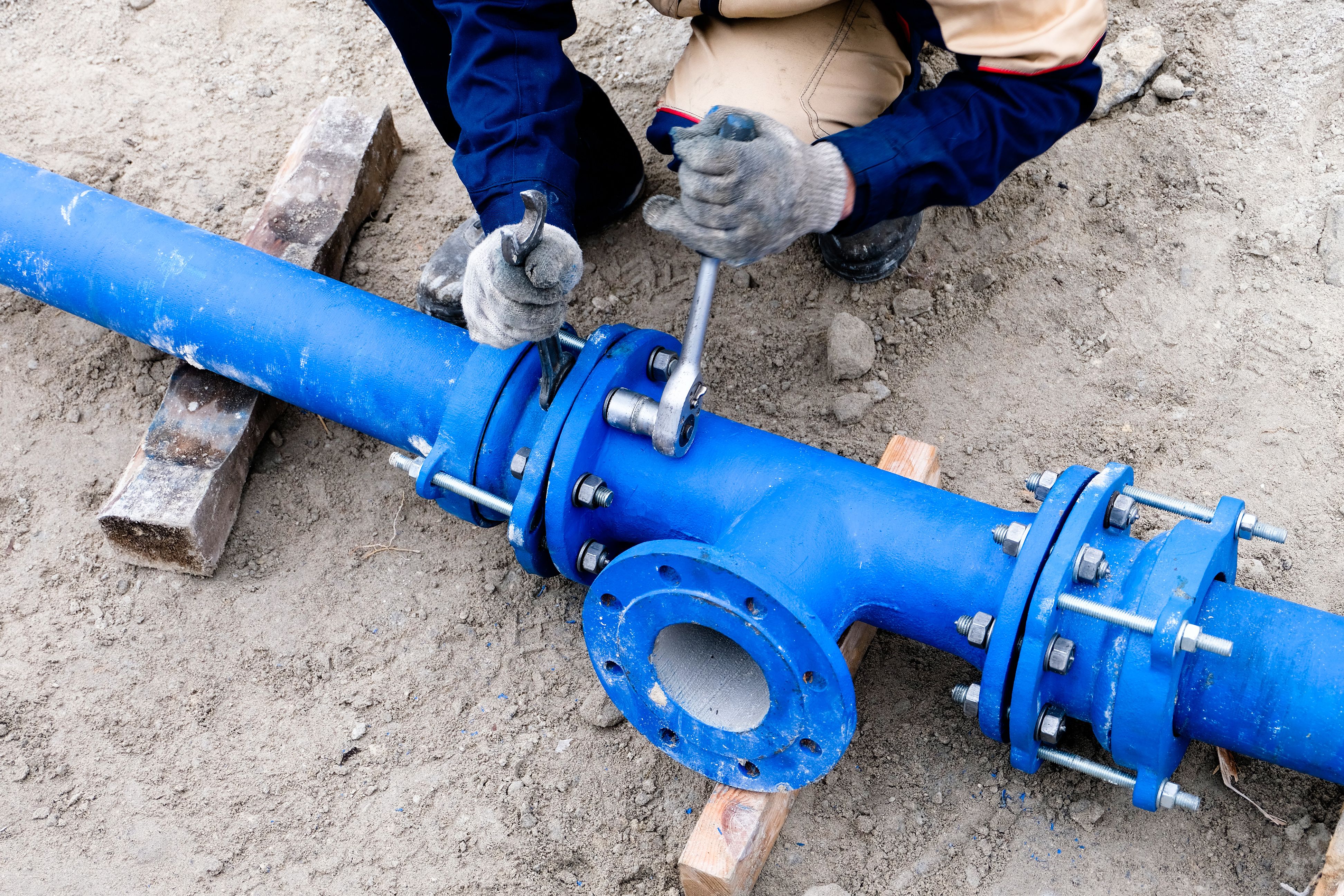
Moreover, HDPE pipes are lightweight, which further contributes to their ease of installation. Transporting and handling these pipes require less energy and manpower, making them a cost-effective solution for large-scale industrial projects.
Leak-Free Joints and Environmental Advantages
A notable feature of HDPE pipes is their ability to form leak-free joints. Using heat fusion, joints in HDPE piping systems are welded together, eliminating the common issues associated with joint leakage in traditional piping systems. This ensures the integrity of the piping system, preventing potential environmental hazards and product loss.
Additionally, HDPE pipes are environmentally friendly. They are recyclable, and their production process consumes less energy compared to other piping materials. This makes HDPE a sustainable choice for industries aiming to reduce their carbon footprint.
Cost-Effectiveness and Versatility
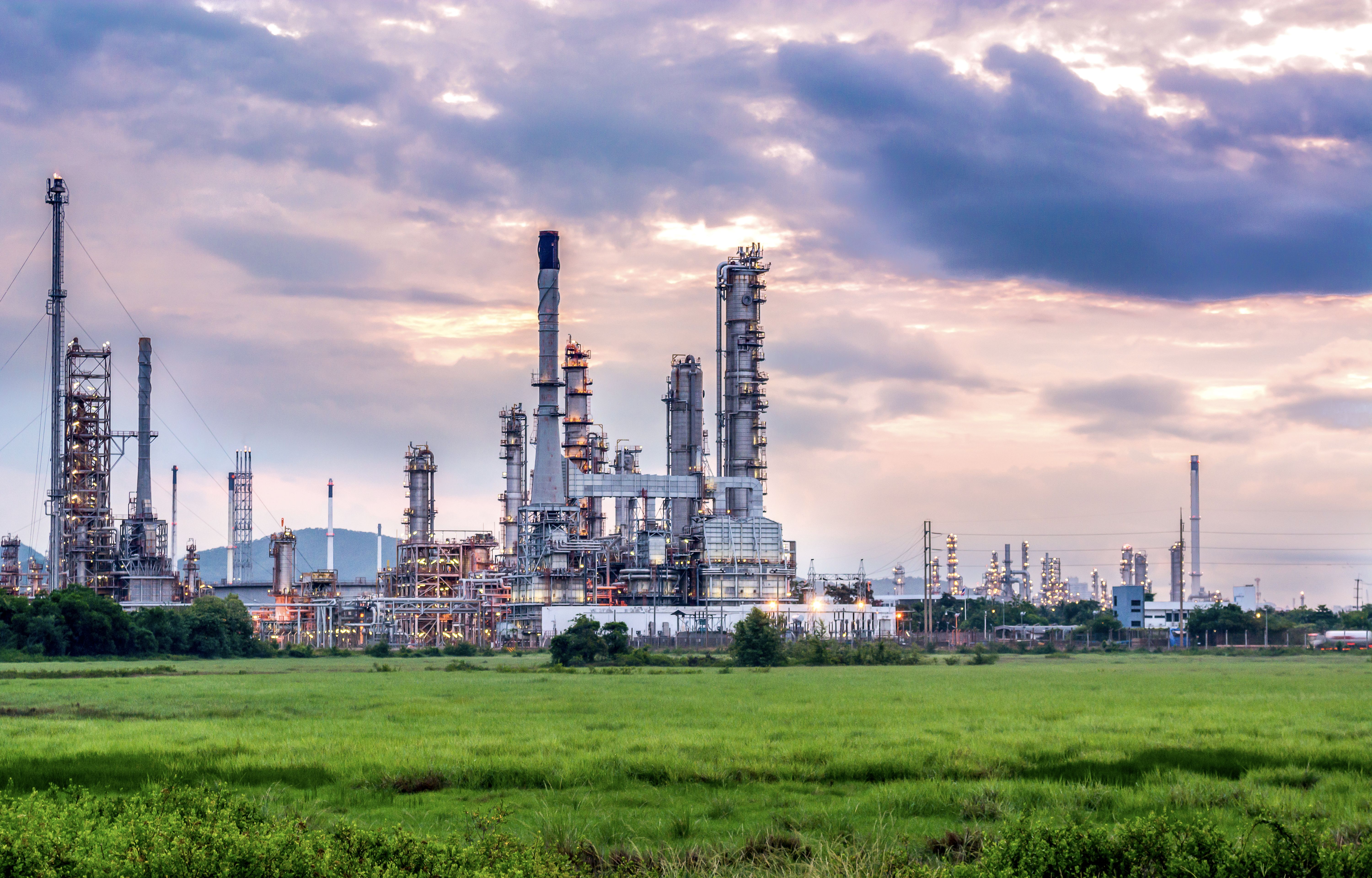
While the initial cost of HDPE pipes might be higher than some alternatives, their long-term financial benefits are undeniable. The reduced need for repairs, replacements, and maintenance makes them a cost-effective option over time. Additionally, the versatility of HDPE pipes allows them to be used in various applications, from sewage systems to gas pipelines.
In conclusion, the benefits of using HDPE pipes in industrial applications are numerous and compelling. Their durability, flexibility, and environmental advantages make them an excellent choice for industries looking to enhance efficiency and sustainability. As technology continues to evolve, HDPE pipes are likely to remain at the forefront of industrial piping solutions.