Expert Tips on Maintaining Your Irrigation System


Understanding Your Irrigation System
Maintaining an irrigation system is essential for ensuring your landscape receives the right amount of water. A well-maintained system can save both water and money while keeping your garden lush and healthy. Understanding the components and functionality of your system is the first step toward effective maintenance.
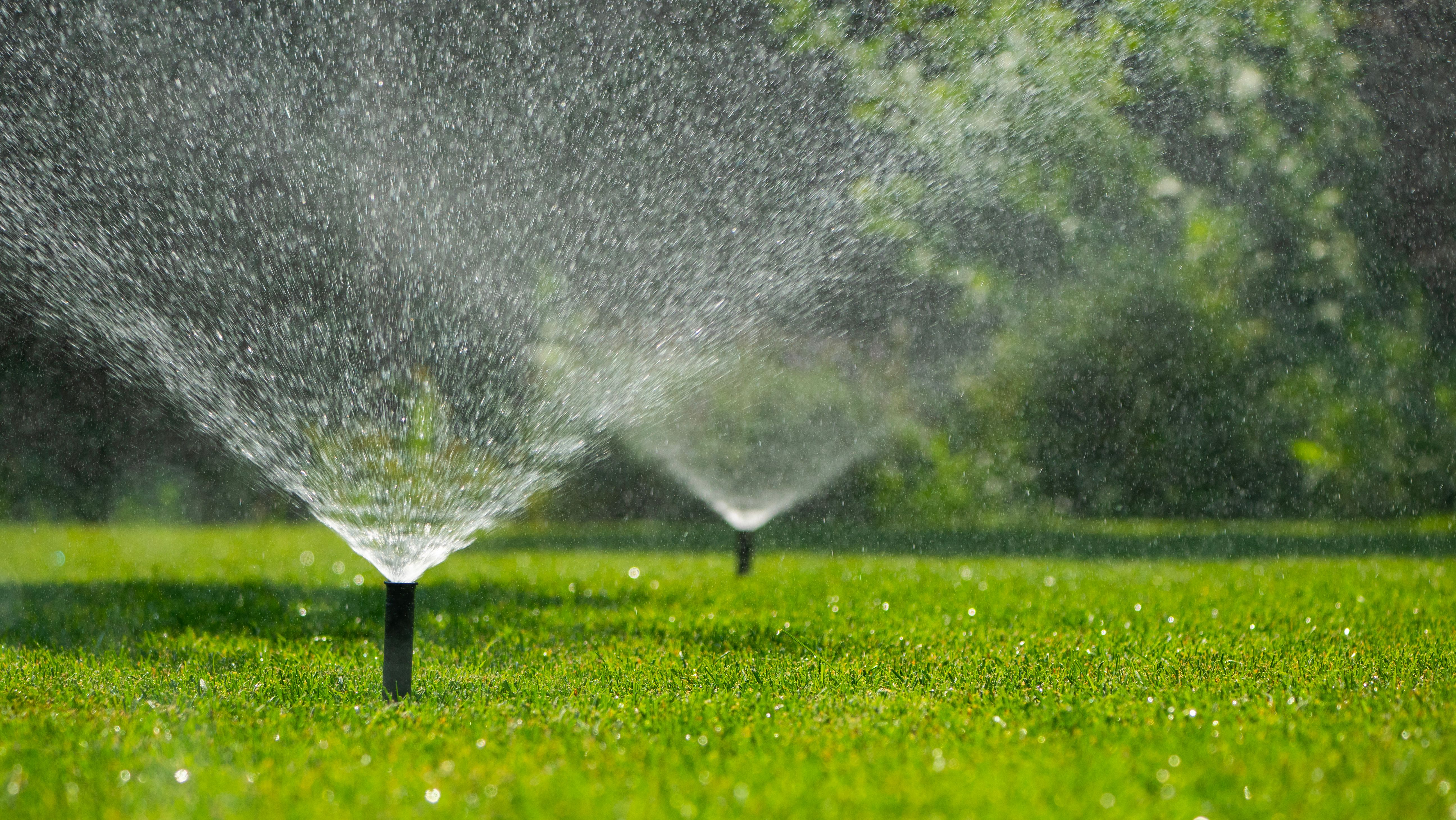
Your irrigation system consists of several key parts, including valves, controllers, pipes, and sprinkler heads. Each component plays a crucial role in delivering water efficiently. Familiarize yourself with these parts to better diagnose and fix issues as they arise.
Regular Inspection and Cleaning
Regular inspection is vital for identifying problems early. You should check your system at the beginning and end of each season. Inspect all components, looking for leaks, clogs, or damaged parts. Pay special attention to the sprinkler heads, as they are prone to clogging due to dirt and debris.
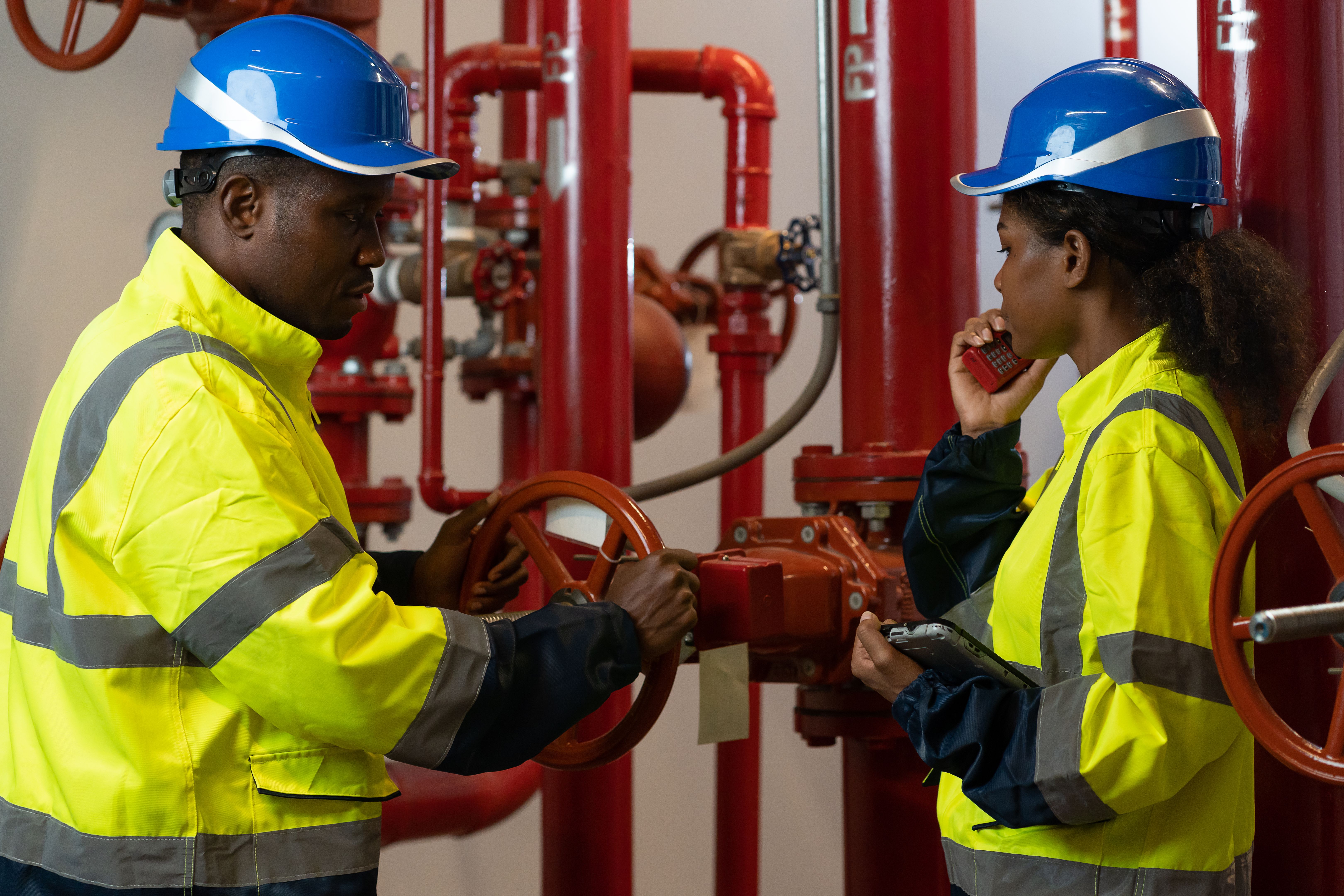
Cleaning the sprinkler heads is a straightforward task. Remove the heads and rinse them thoroughly under water to clear any blockages. This simple maintenance step can significantly improve the efficiency of your system.
Adjusting Sprinkler Heads
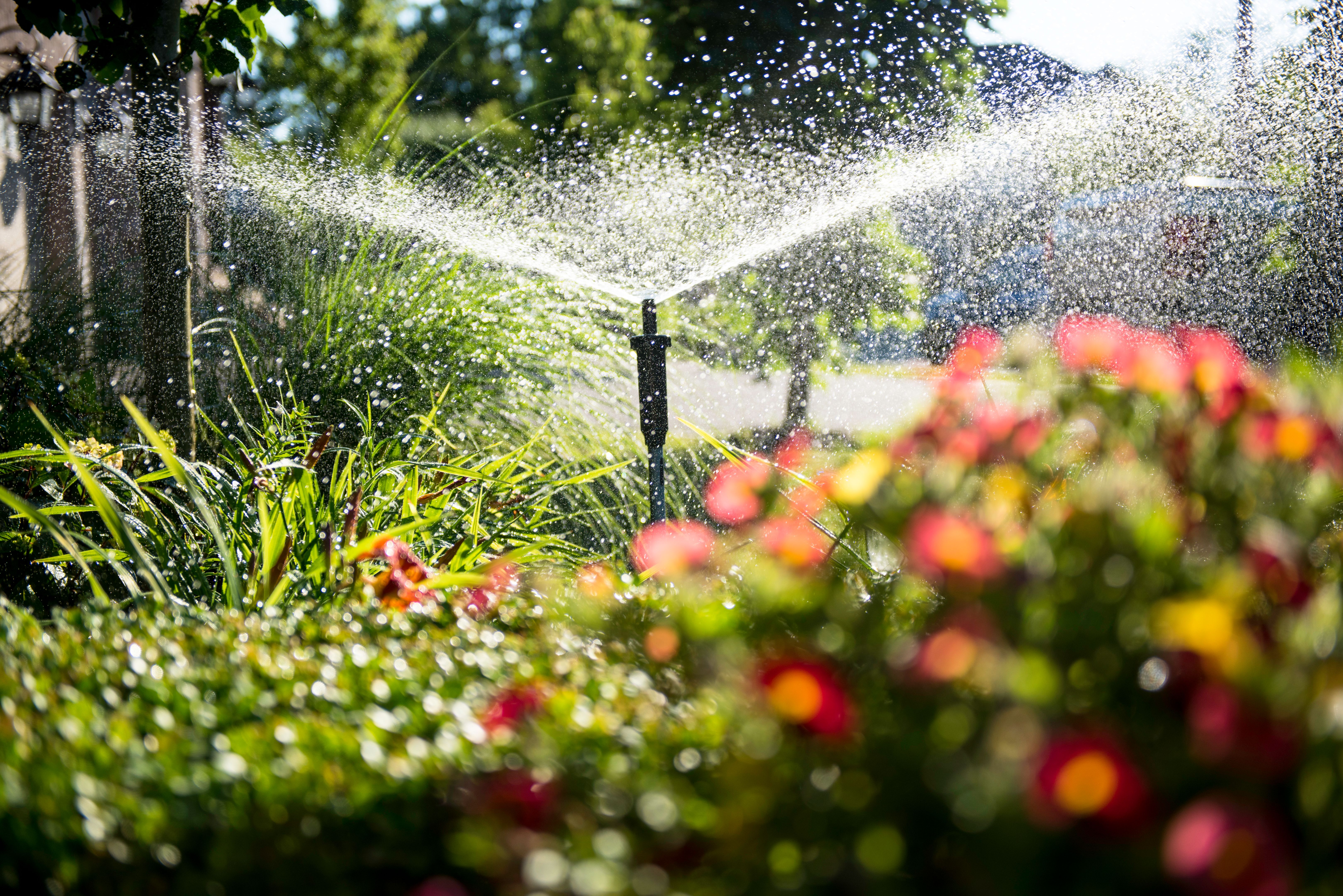
Properly adjusted sprinkler heads ensure that water is distributed evenly across your landscape. Misaligned heads can lead to water wastage and uneven watering, which may harm your plants.
To adjust the heads, first observe their spray pattern. If you notice any irregularities, adjust the head's position and angle. Ensure that the water is covering the intended area without over-spraying onto sidewalks or driveways.
Monitoring Water Pressure
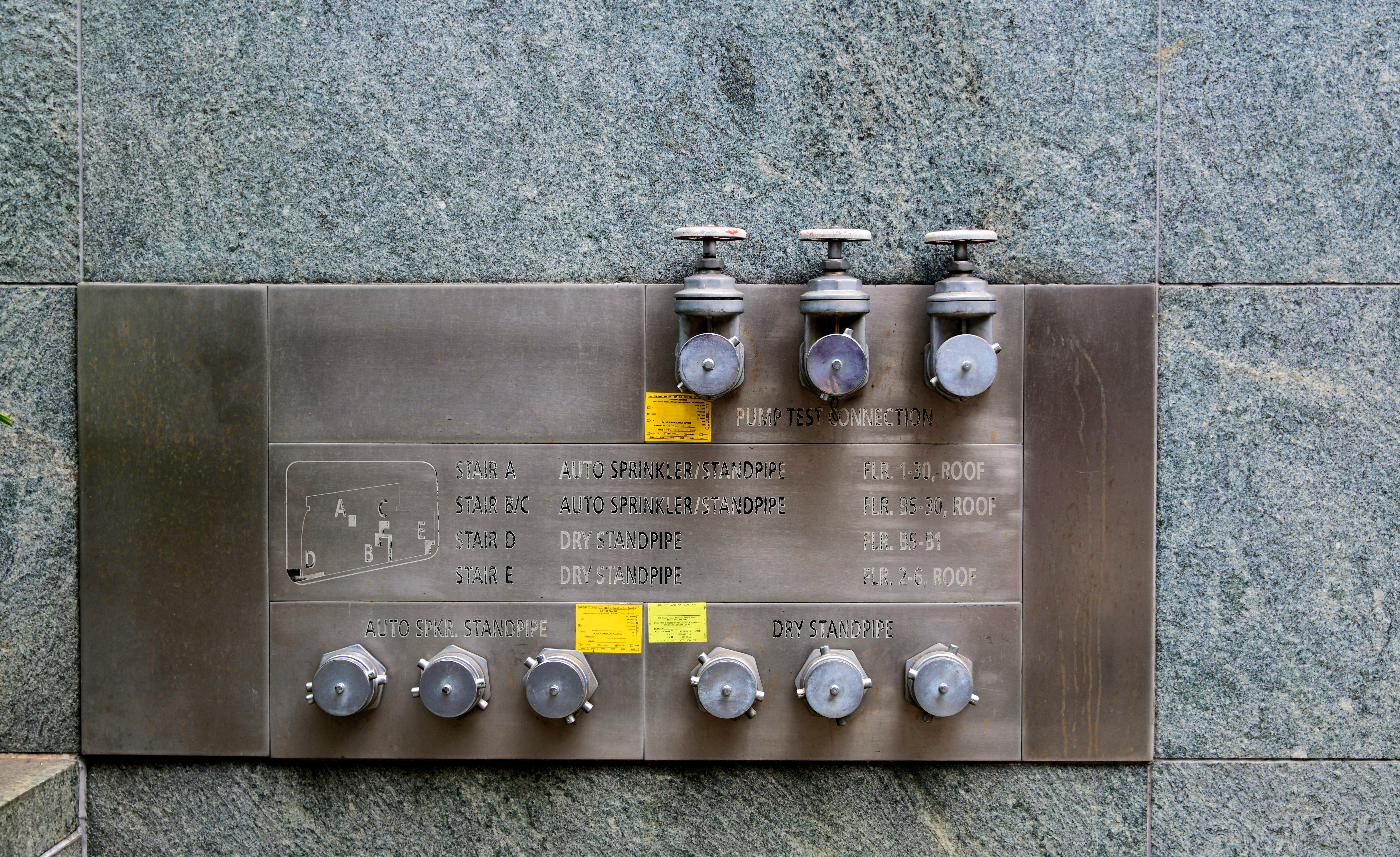
Water pressure plays a crucial role in the performance of your irrigation system. Too much pressure can cause sprinkler heads to mist, leading to water loss. Conversely, too little pressure may result in inadequate coverage.
Use a pressure gauge to monitor and adjust the water pressure. Most systems operate optimally at a pressure range of 30 to 50 psi. If the pressure is outside this range, consider installing a pressure regulator.
Seasonal Adjustments
Adjusting your irrigation schedule according to the season is crucial. Different plants have varying water needs throughout the year, and seasonal changes affect water requirements.
- In spring, gradually increase watering as plants begin to grow.
- During summer, ensure your system runs early in the morning to minimize evaporation.
- In fall, reduce the watering frequency as temperatures drop.
- Winterize your system by shutting it down and draining the pipes to prevent freezing.
Utilizing Technology
Modern technology offers smart solutions for irrigation maintenance. Consider upgrading to a smart controller that automatically adjusts watering schedules based on weather conditions and soil moisture levels. This can help conserve water and ensure your landscape receives optimal care.
Some systems also offer remote monitoring capabilities, allowing you to manage your irrigation from a smartphone or computer. This can be particularly beneficial for those with large properties or busy schedules.
Professional Maintenance
While regular DIY maintenance is effective, don't hesitate to seek professional help for complex issues. An irrigation specialist can provide a thorough inspection and perform necessary repairs or upgrades.
Professionals can also offer valuable advice tailored to your specific landscape needs, ensuring your system operates at peak efficiency year-round.