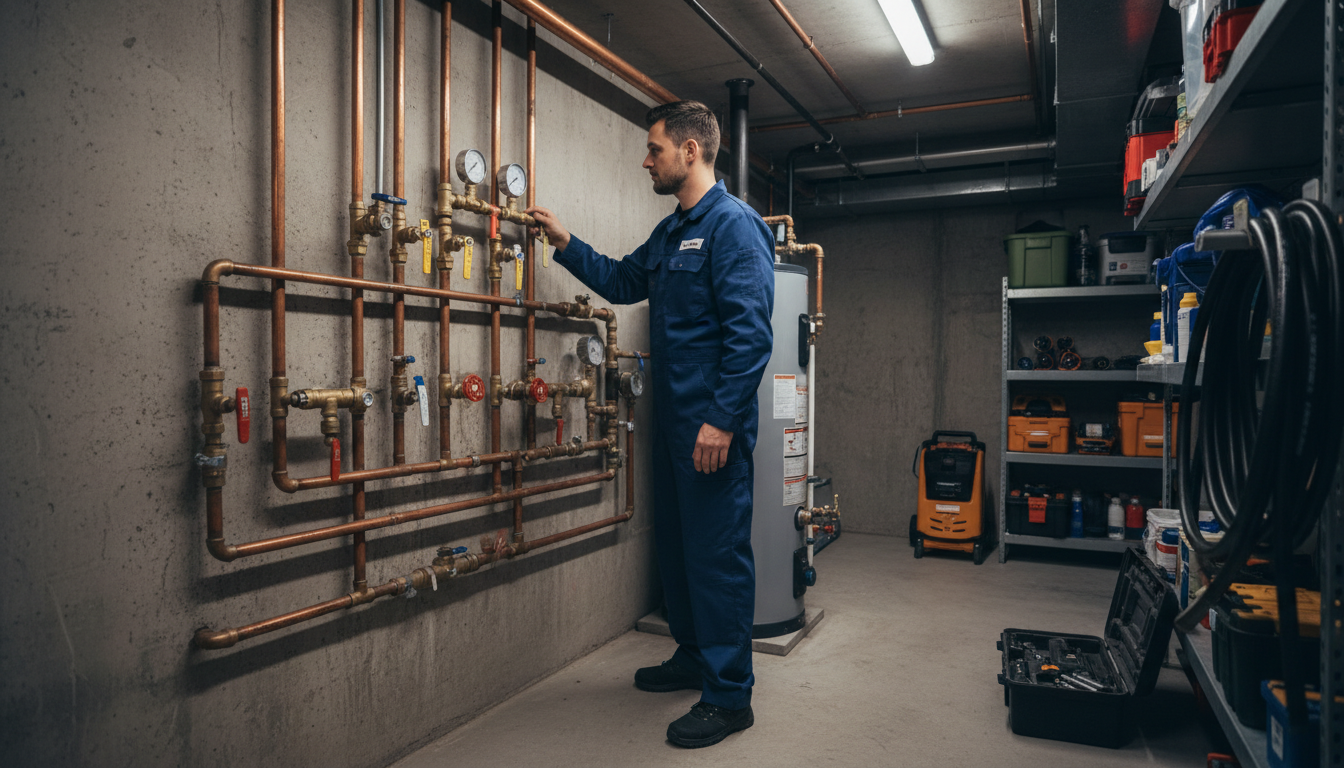
Expert Tips for Installing PVC and CPVC Pipes in Residential Projects


Understanding PVC and CPVC Pipes
When it comes to residential plumbing projects, choosing the right type of piping is crucial. PVC (Polyvinyl Chloride) and CPVC (Chlorinated Polyvinyl Chloride) pipes are popular choices due to their durability and cost-effectiveness. PVC is typically used for cold-water applications, while CPVC is suitable for both hot and cold water. Understanding the differences between these materials can help you make informed decisions for your project.
Both PVC and CPVC pipes offer resistance to corrosion and chemical damage, making them ideal for various plumbing applications. However, CPVC can withstand higher temperatures, making it a preferred choice for hot water lines. Knowing these distinctions ensures you use the right material for the right application.
Preparation and Planning
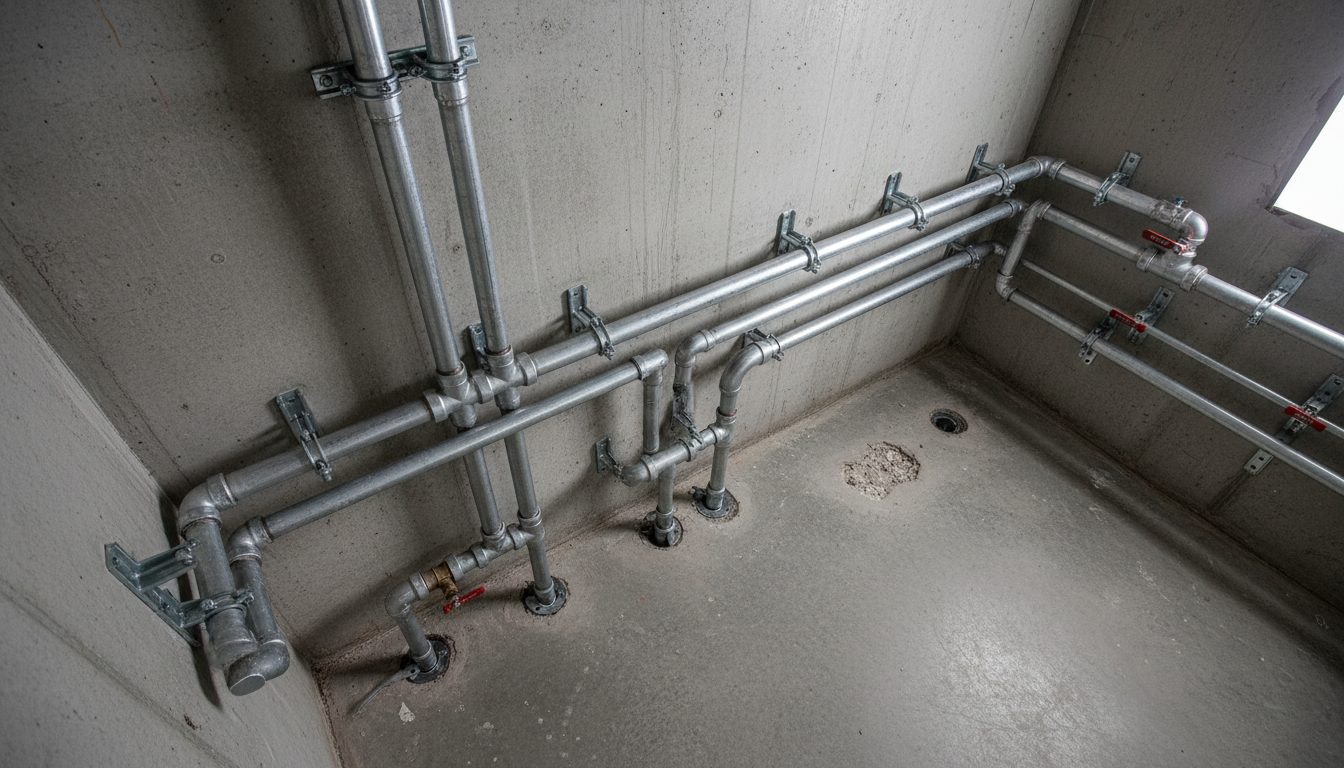
Before you start installing pipes, proper planning is essential. Begin by mapping out the plumbing layout to identify all connection points, pipe lengths, and fittings required. This step will minimize mistakes during installation and ensure a smooth workflow.
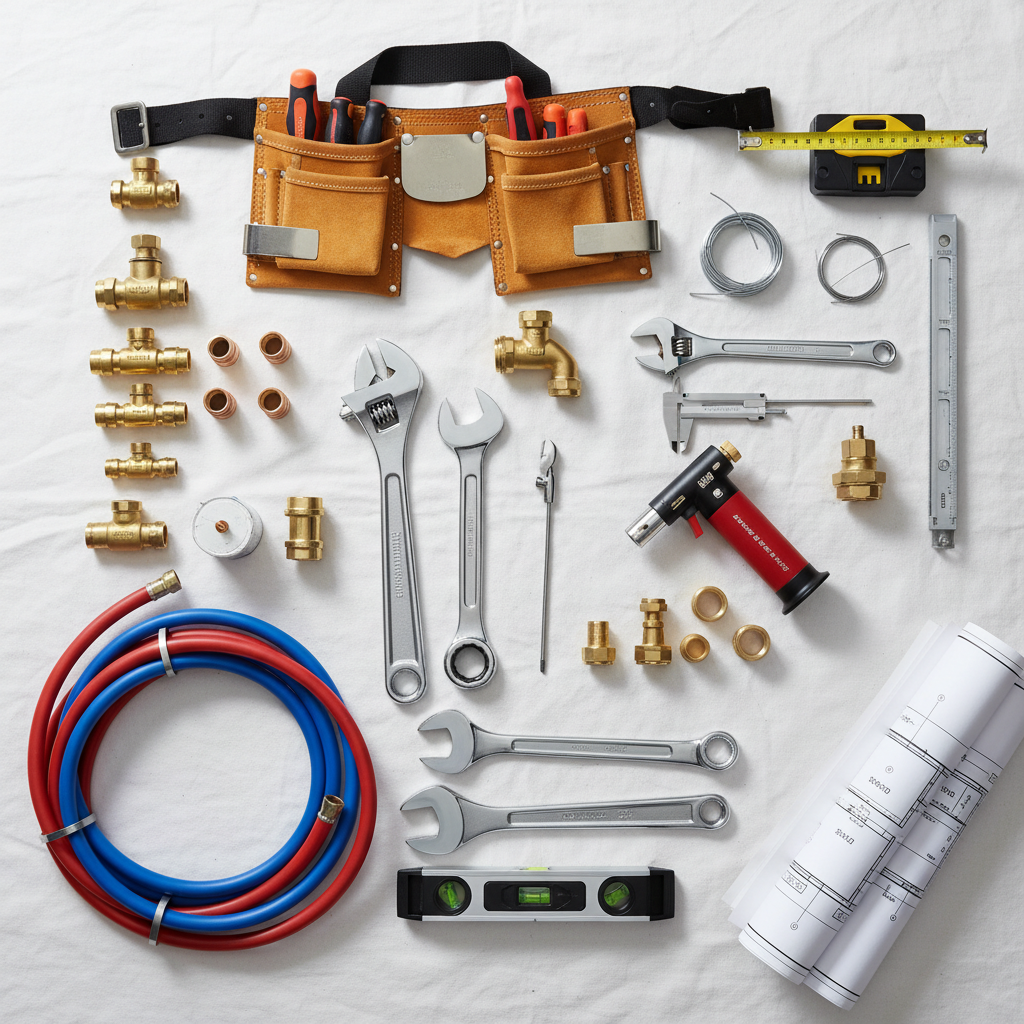
Gather all necessary tools and materials beforehand. A typical toolkit should include a pipe cutter, primer, cement, measuring tape, and level. Having everything on hand will save time and reduce frustration.
Cutting and Fitting Pipes
Accurate cutting of pipes is vital for a leak-free installation. Use a high-quality pipe cutter to ensure clean, straight cuts. After cutting, remove any burrs or rough edges using sandpaper or a deburring tool. This preparation helps in creating strong and secure joints.
When fitting pipes, dry-fit them first without any adhesive to ensure proper alignment. This step allows for adjustments before finalizing the connections, preventing potential leaks or misalignments.

Gluing and Connecting Pipes
Applying primer and cement correctly is key to strong connections. First, use primer to clean and soften the pipe surfaces, enhancing the bond strength. Apply an even coat of cement on both the pipe and fitting, then push them together with a twisting motion to ensure a secure connection.
Allow sufficient time for the cement to cure before testing the system. This waiting period is crucial to prevent leaks and ensure the longevity of the installation.
Testing and Maintenance
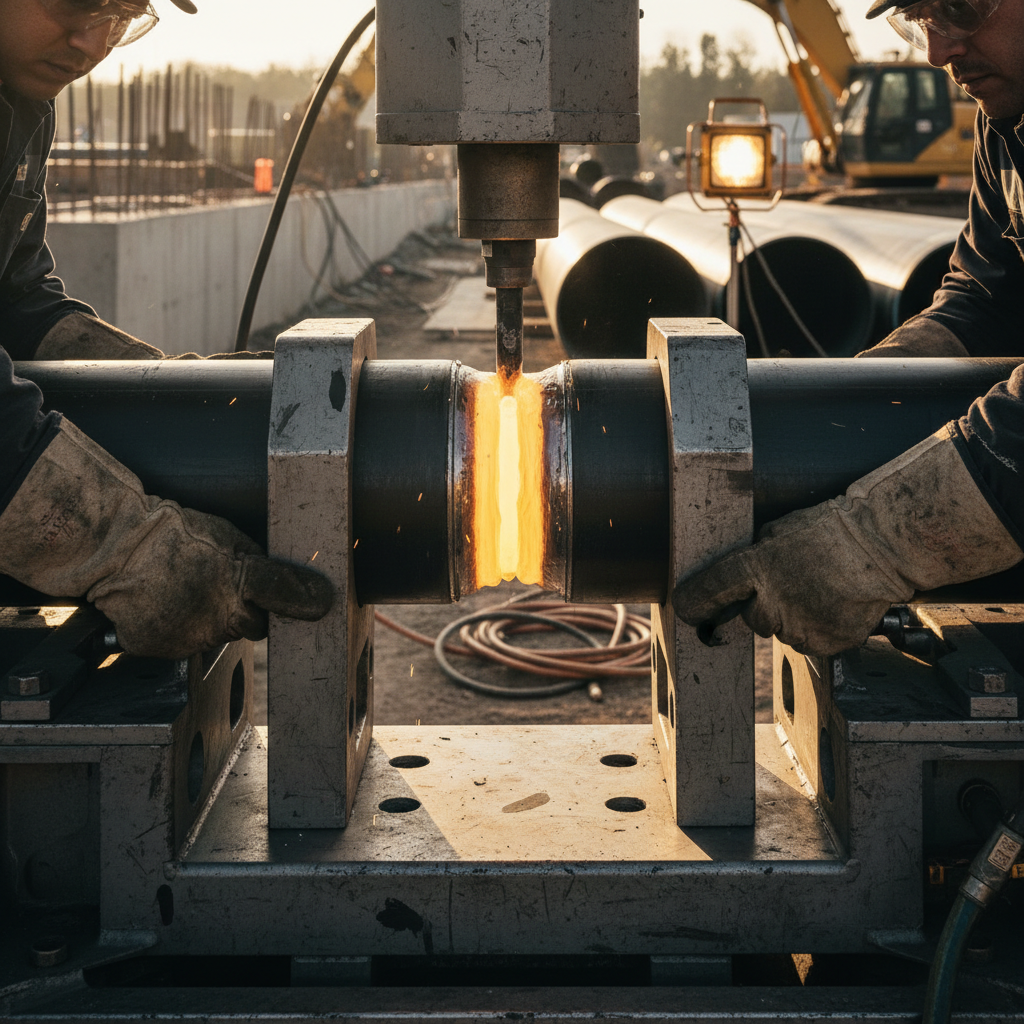
Once the installation is complete, it's important to test the system for leaks. Turn on the water supply gradually and check all joints and connections for any signs of leakage. If leaks are detected, tighten connections or reapply cement as needed.
Regular maintenance of your plumbing system extends its lifespan. Inspect pipes periodically for any signs of wear or damage, and address issues promptly to avoid costly repairs.
By following these expert tips, you can ensure a successful PVC and CPVC pipe installation in your residential projects, providing a reliable plumbing system for years to come.