Expert Insights: The Advantages of CPVC Pipes for Hot Water Systems


Understanding CPVC Pipes
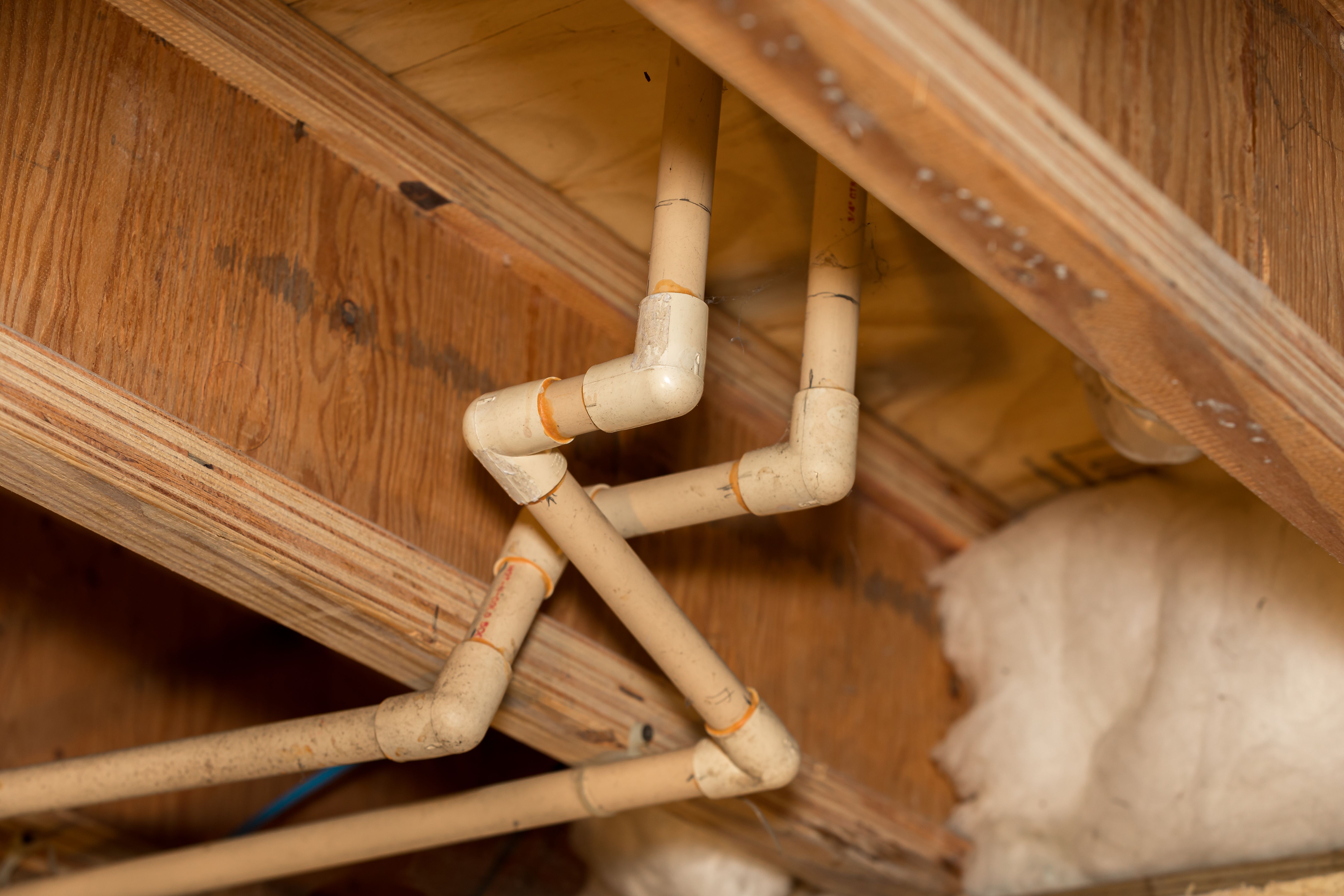
Chlorinated polyvinyl chloride, or CPVC, is a thermoplastic material that has gained popularity in plumbing systems, particularly for hot water applications. Its ability to withstand high temperatures and resist corrosion makes it an ideal choice for residential and commercial plumbing needs.
Unlike traditional metal pipes, CPVC pipes do not corrode, rust, or scale, which can significantly extend the life of your plumbing system. The material is also lightweight, making installation easier and more cost-effective.
Why Choose CPVC for Hot Water Systems
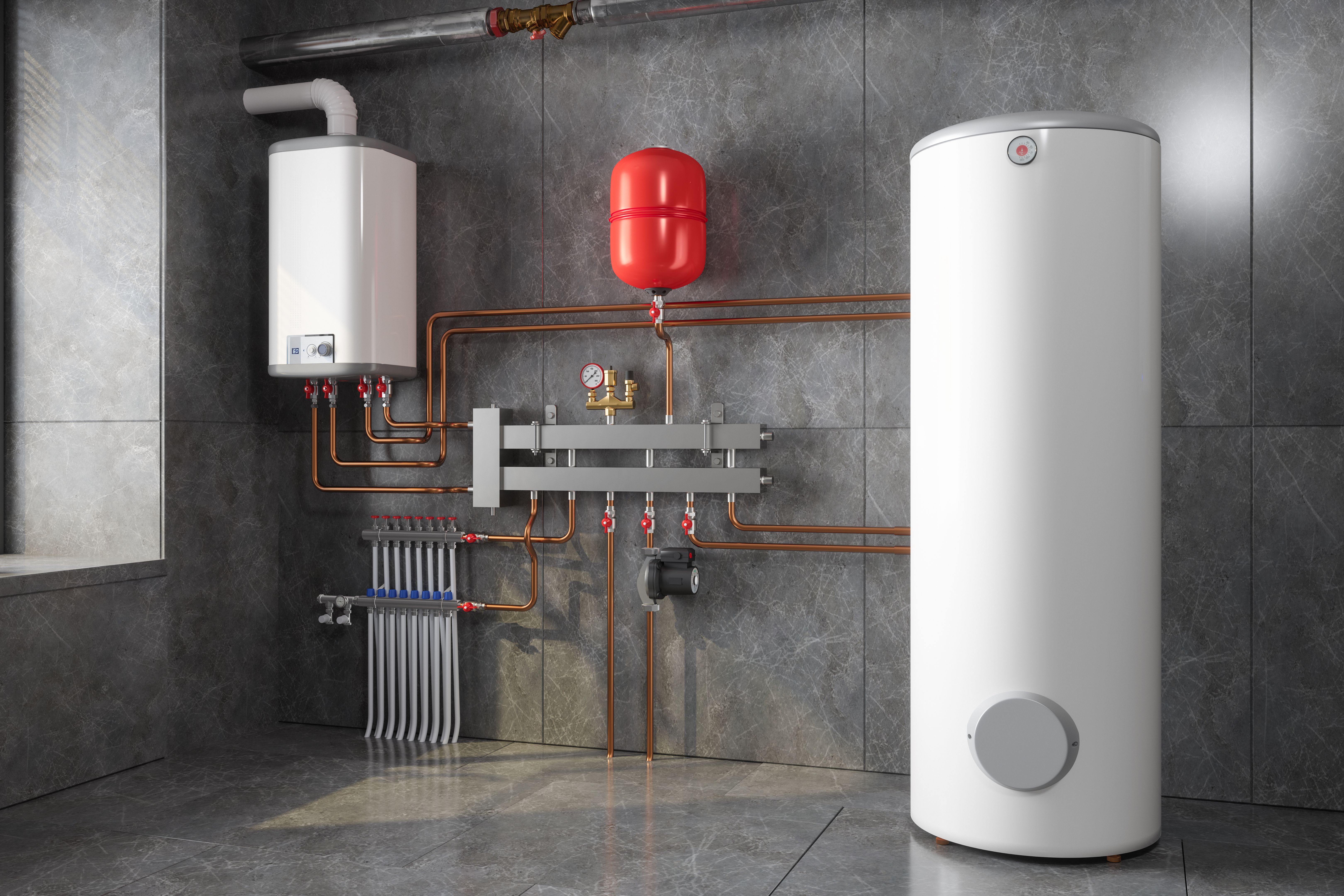
One of the main advantages of CPVC pipes is their excellent thermal resistance. They can withstand temperatures up to 200°F (93°C), which is crucial for hot water systems. This resistance ensures that the pipes will not warp or degrade over time, maintaining the integrity of your plumbing system.
Moreover, CPVC pipes are known for their exceptional insulation properties. This means that they retain heat more efficiently, reducing the energy needed to keep water hot. As a result, homeowners and businesses can enjoy energy savings and lower utility bills.
Ease of Installation
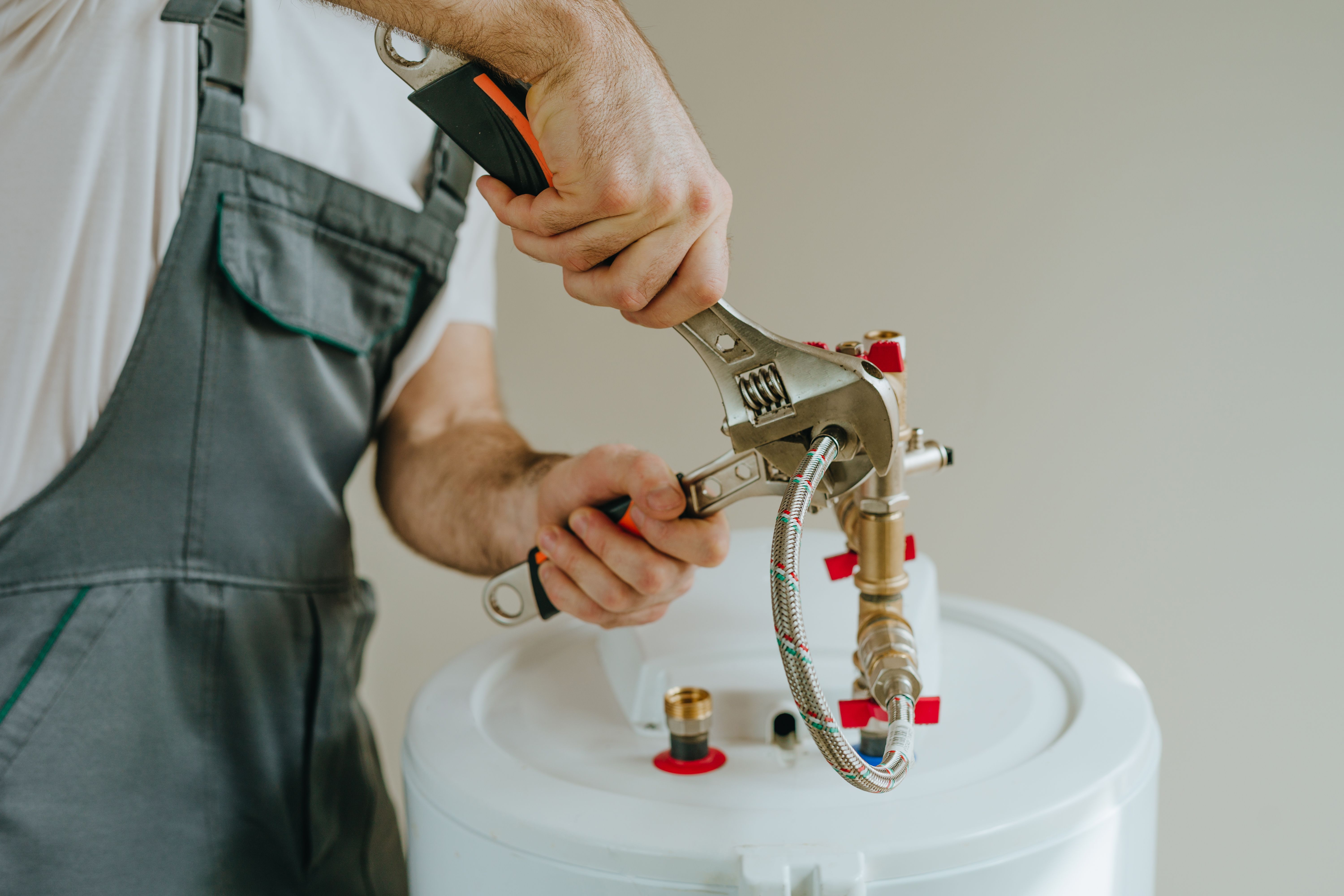
Another significant benefit of CPVC pipes is their ease of installation. Due to their lightweight nature, they can be easily handled and installed by professionals without the need for heavy machinery. This not only speeds up the installation process but also reduces labor costs.
CPVC pipes are also highly versatile and can be used in various plumbing configurations. Their flexibility allows for easy adaptation to existing systems, making them a convenient choice for renovations and new constructions alike.
Durability and Safety
CPVC pipes offer remarkable durability, ensuring a long-lasting plumbing solution. They are resistant to chemicals, which prevents damage from household cleaning agents or other substances that may be present in the water.
Additionally, CPVC is a safe choice for hot water distribution. It is non-toxic and meets all safety standards for potable water. This ensures that the water remains clean and safe for consumption.
Cost-Effective Solution
While CPVC pipes may have a slightly higher upfront cost compared to some alternatives, their long-term benefits and low maintenance requirements make them a cost-effective investment. The reduced risk of leaks and repairs translates to fewer unexpected expenses over time.
In conclusion, CPVC pipes offer numerous advantages for hot water systems, including thermal resistance, ease of installation, and long-term durability. These benefits make them a preferred choice for homeowners and businesses looking to upgrade or install reliable plumbing systems.