Comparing PVC, CPVC, and ABS Pipes: Which is Right for Your Project?


When embarking on a plumbing project, choosing the right type of pipe is crucial to ensure durability, cost-effectiveness, and suitability for your specific needs. Three common types of pipes—PVC, CPVC, and ABS—each offer distinct advantages and applications. Understanding their differences can help you make an informed decision.
Understanding PVC Pipes
Polyvinyl Chloride (PVC) pipes are widely used in a variety of applications, thanks to their versatility and affordability. These pipes are known for their lightweight nature and ease of installation. PVC pipes are commonly used for irrigation, water supply lines, and drainage systems.
A significant advantage of PVC pipes is their resistance to corrosion. They can handle cold water applications effectively, but they are not recommended for hot water use due to their limited temperature tolerance.
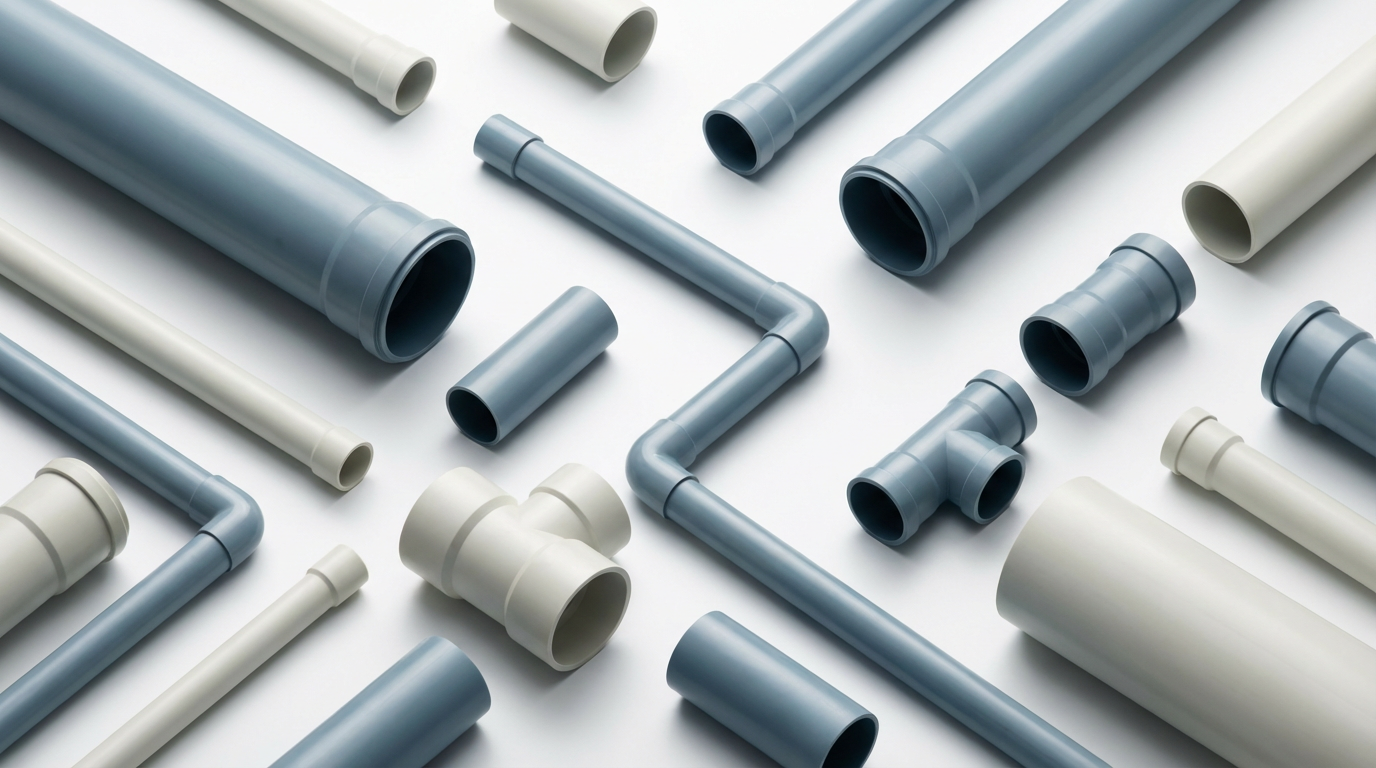
Advantages and Disadvantages of PVC
Advantages:
- Cost-effective
- Corrosion-resistant
- Easy to work with
Disadvantages:
- Cannot handle hot water
- May become brittle over time
Exploring CPVC Pipes
Chlorinated Polyvinyl Chloride (CPVC) pipes are similar to PVC but undergo an extra chlorination process, enhancing their ability to handle higher temperatures. This makes CPVC an ideal choice for hot water applications, such as residential plumbing and industrial processing.
CPVC pipes are also resistant to chemical corrosion and have a long lifespan, making them a reliable option for various projects. However, they are generally more expensive than standard PVC pipes.
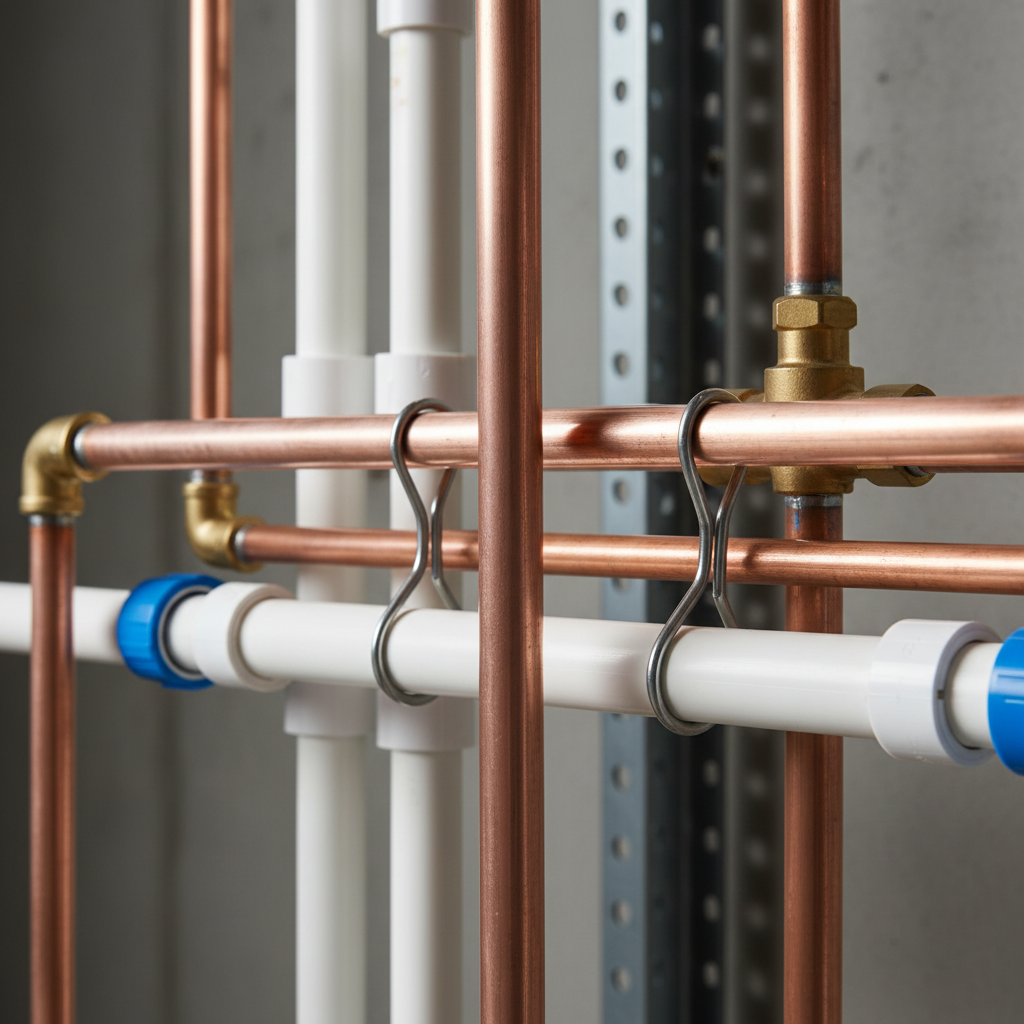
Pros and Cons of CPVC
Pros:
- Suitable for hot water applications
- Durable and long-lasting
- Resistant to chemical corrosion
Cons:
- Higher cost compared to PVC
- May require specialized fittings
An Overview of ABS Pipes
Acrylonitrile Butadiene Styrene (ABS) pipes are known for their strength and toughness. These pipes are often used in drainage and sewer systems due to their ability to withstand impact and harsh conditions. ABS pipes are lightweight and easy to install, similar to PVC.
One of the key characteristics of ABS is its ability to handle colder temperatures without becoming brittle. However, ABS is not recommended for exposure to direct sunlight, as it can degrade over time.
Benefits and Drawbacks of ABS
Benefits:
- Impact-resistant
- Performs well in low temperatures
- Easy to install
Drawbacks:
- Not UV-resistant
- Limited availability compared to PVC and CPVC
Making the Right Choice
The decision between PVC, CPVC, and ABS pipes depends largely on the specific requirements of your project. Consider factors such as temperature exposure, environmental conditions, and budget constraints. If your project involves hot water, CPVC would be the most suitable option. For cold water or drainage systems, PVC might be more cost-effective. ABS is a great choice for underground applications where impact resistance is crucial.
Ultimately, understanding the characteristics and limitations of each type of pipe will help you select the best material for your needs, ensuring a successful and long-lasting plumbing installation.