Choosing the Right Plastic Pipe Fittings for Commercial Projects


When embarking on a commercial project, choosing the right plastic pipe fittings is crucial for ensuring durability, efficiency, and cost-effectiveness. With a wide variety of options available, understanding the specific needs of your project is essential.
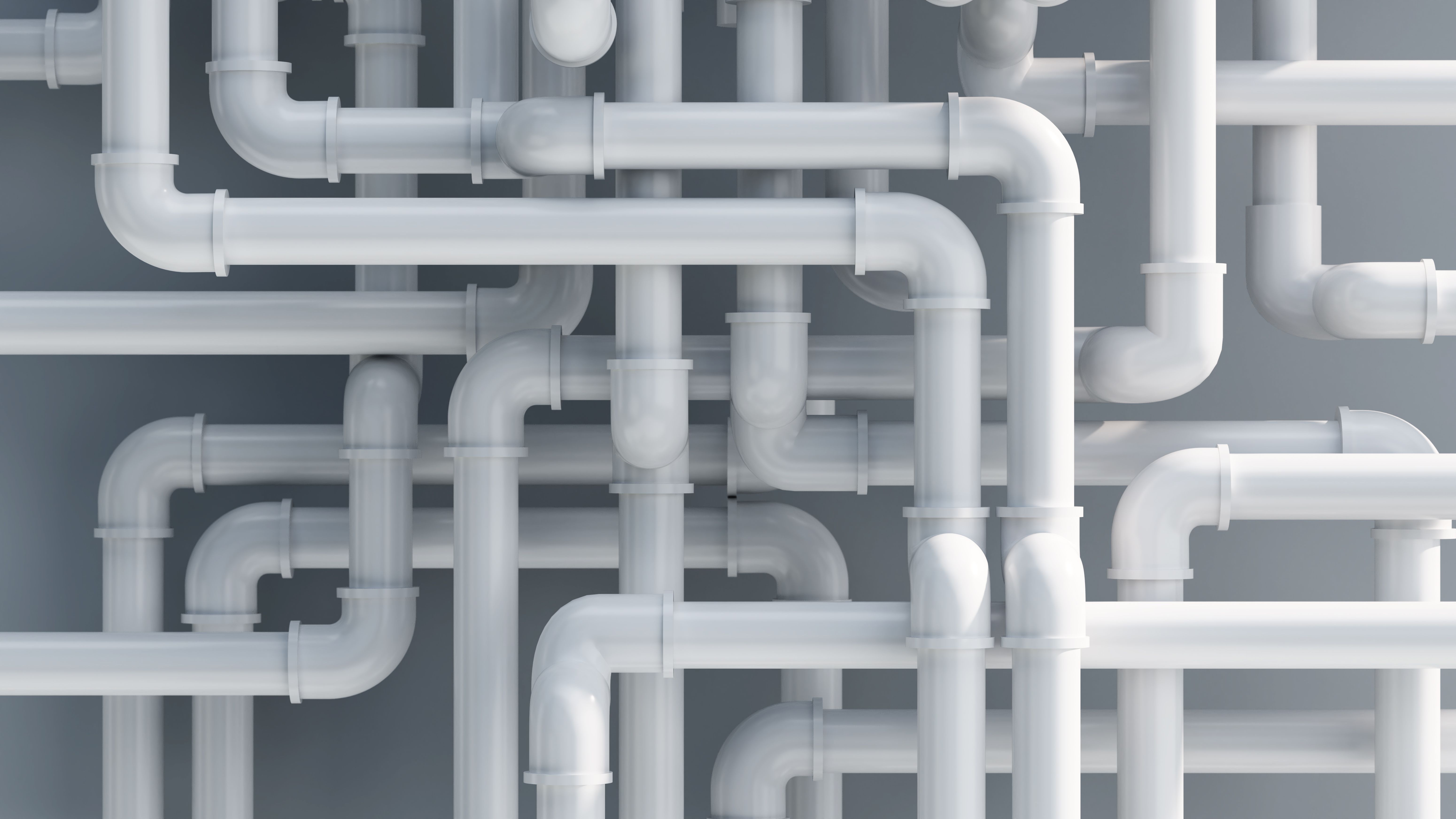
Understanding Different Types of Plastic Pipe Fittings
Plastic pipe fittings come in various materials, each suited for different applications. The most common types include PVC, CPVC, PEX, and HDPE. Each material has unique properties that make it suitable for specific environments and pressures.
PVC (Polyvinyl Chloride) is widely used due to its affordability and resistance to corrosion. It is ideal for cold water applications and drainage systems. However, it should not be used for hot water systems.
CPVC (Chlorinated Polyvinyl Chloride) is similar to PVC but can withstand higher temperatures, making it suitable for both hot and cold water applications. It is commonly used in industrial and residential plumbing.
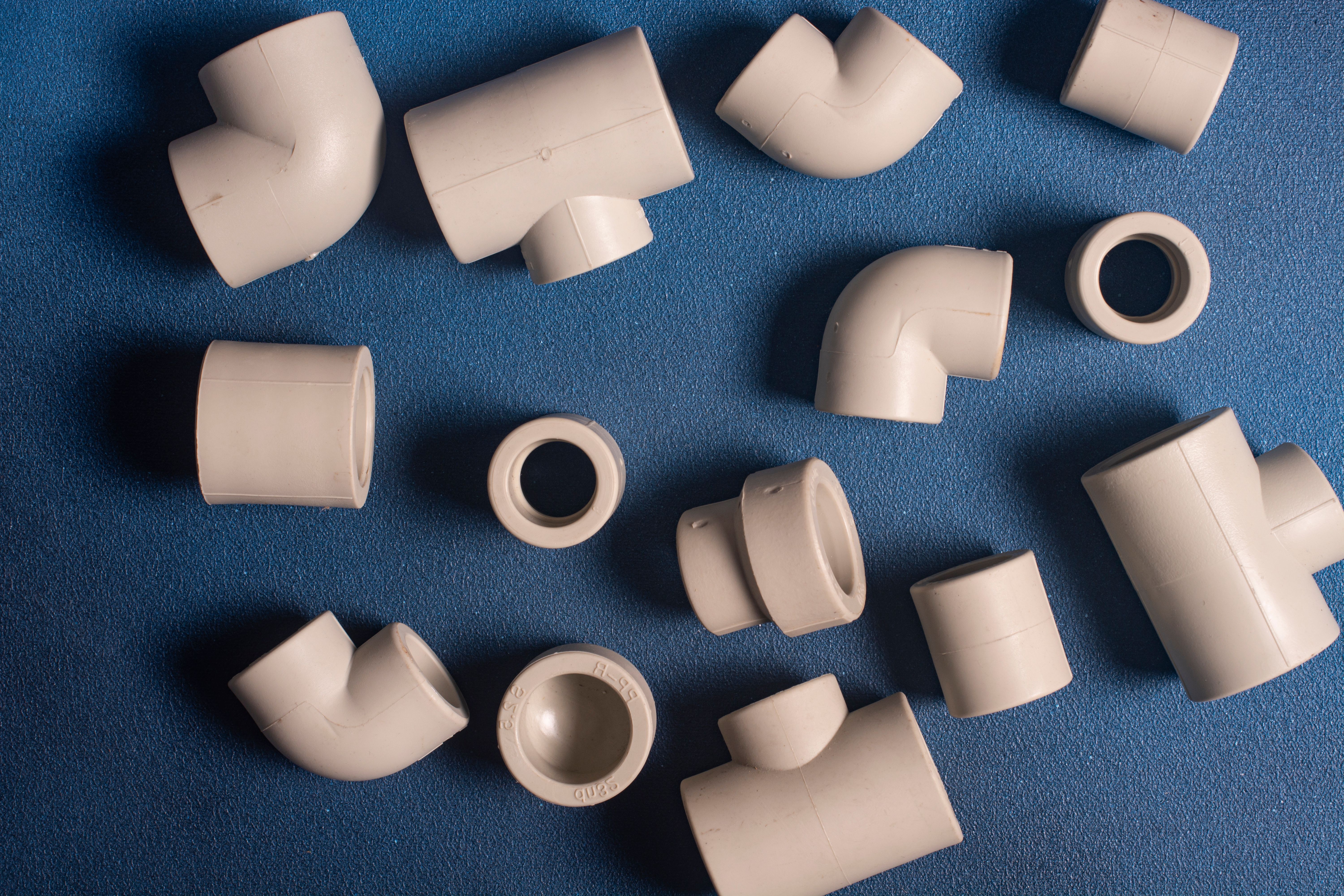
Factors to Consider When Choosing Fittings
When selecting plastic pipe fittings, consider factors such as pressure rating, temperature tolerance, and the chemical compatibility of the material with the fluids being transported. This ensures the longevity and safety of the system.
Additionally, consider the ease of installation and maintenance. Some materials, like PEX, offer flexibility and ease of installation, reducing labor costs.
Pressure and Temperature Ratings
Understanding the pressure and temperature ratings of each material is vital. For high-pressure environments, HDPE is often preferred due to its robust nature. In contrast, CPVC is better for applications involving higher temperatures.
Environmental Impact and Sustainability
As sustainability becomes a growing concern, the environmental impact of your choice should be considered. Recyclable materials like HDPE offer a more eco-friendly option. Additionally, the production process and lifecycle of the material can contribute to its environmental footprint.
Evaluating the long-term effects of the chosen material on both the environment and the project can lead to more responsible and sustainable choices.
Cost Considerations
While cost is always a factor, opting for the cheapest material may not be the best choice. Consider the total cost of ownership, including installation, maintenance, and potential replacements. Investing in higher-quality materials can offer better performance and durability, saving money in the long run.

Conclusion: Making the Right Choice
Choosing the right plastic pipe fittings for commercial projects involves a careful assessment of the project's specific needs, budget, and environmental considerations. By understanding the properties and applications of different materials, you can make informed decisions that will ensure the success and longevity of your project.
Remember, the right choice not only enhances the functionality of your system but also contributes to environmental sustainability and cost efficiency.