A Comparison of PVC, CPVC, and ABS Pipes: Which Is Best for Your Needs?


Understanding PVC, CPVC, and ABS Pipes
When it comes to plumbing and construction, choosing the right type of pipe can significantly impact the efficiency and longevity of your project. Three common types of plastic pipes are PVC, CPVC, and ABS. Each has its unique properties and ideal use cases. Understanding these differences can help you make an informed decision that best suits your needs.
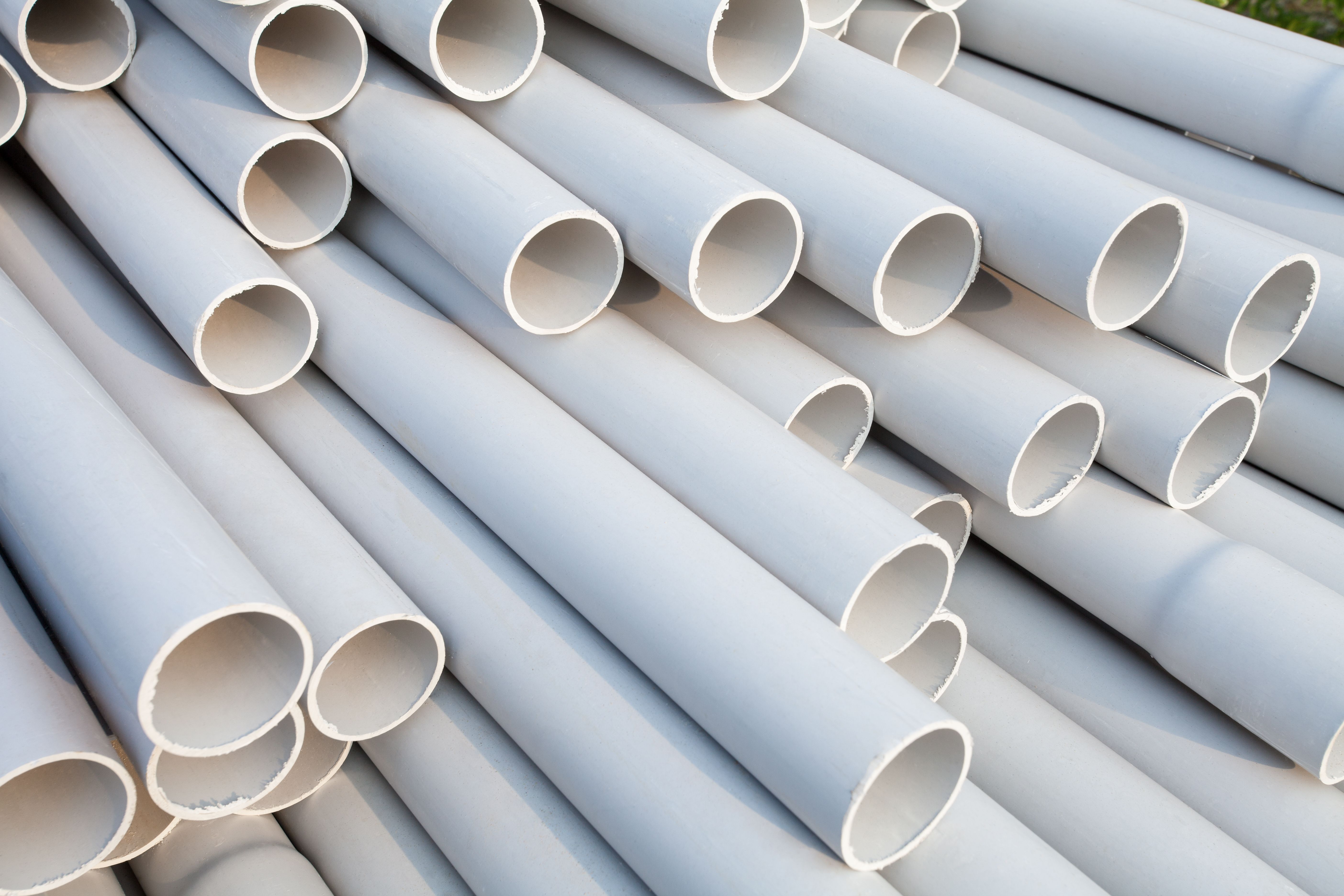
PVC Pipes: Versatile and Cost-Effective
Polyvinyl Chloride (PVC) pipes are widely used due to their versatility and low cost. They are primarily used for cold water applications, such as drainage and irrigation. PVC pipes are lightweight, easy to install, and resistant to corrosion. However, they are not suitable for high-temperature applications, as they can warp or degrade when exposed to heat.
CPVC Pipes: Heat-Resistant and Durable
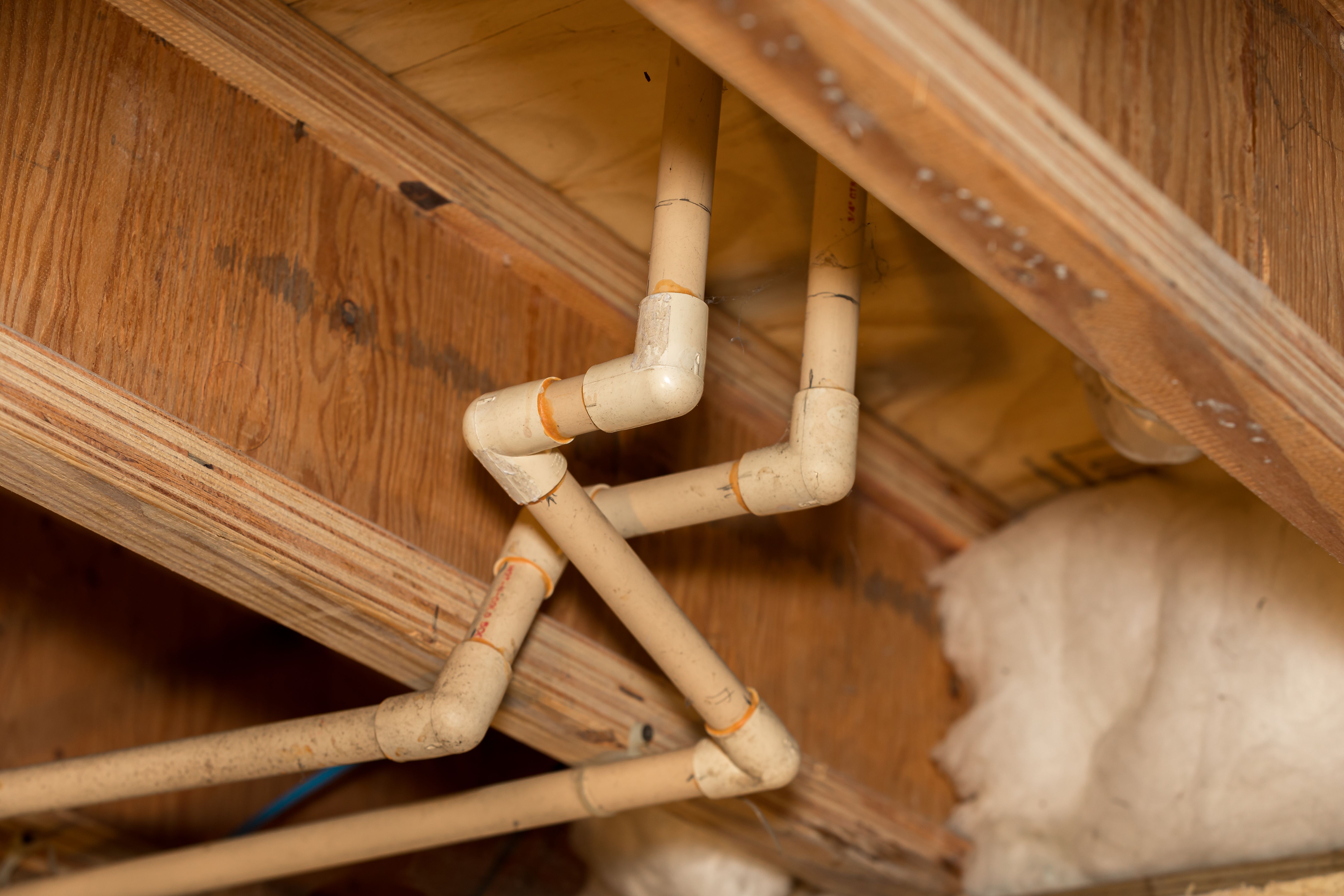
Chlorinated Polyvinyl Chloride (CPVC) pipes are similar to PVC but have additional chlorine, which allows them to withstand higher temperatures. This makes CPVC suitable for both hot and cold water applications, including residential water supply systems. While CPVC pipes are more expensive than PVC, they offer greater durability and heat resistance.
ABS Pipes: Strong and Impact-Resistant
Acrylonitrile Butadiene Styrene (ABS) pipes are known for their strength and impact resistance. They are often used in underground applications and for venting purposes. ABS pipes are lightweight and have a high resistance to shock and low temperatures. However, they can become brittle when exposed to sunlight, so they are not ideal for outdoor use without proper protection.
Comparing the Pipes: Key Considerations
When choosing between PVC, CPVC, and ABS pipes, consider the following factors:
- Temperature Resistance: CPVC is best for hot water systems, while PVC and ABS are more suitable for cold water.
- Durability: ABS offers excellent impact resistance, making it ideal for underground installations.
- Cost: PVC is generally the most cost-effective option, followed by ABS and then CPVC.

Environmental Impact and Safety
All three types of pipes are made from plastic materials, raising concerns about environmental impact and sustainability. Recycling options are available for PVC and ABS, while CPVC is less commonly recycled. Consider the environmental regulations and recycling facilities in your area when making your decision.
Conclusion: Choosing the Right Pipe for Your Project
The best choice between PVC, CPVC, and ABS pipes depends on your specific needs and project requirements. For most cold water applications, PVC offers an affordable and reliable solution. CPVC is ideal for hot water systems, while ABS provides durability and impact resistance for more demanding environments. By weighing the pros and cons of each type, you can select the pipe that ensures the success and longevity of your project.